2nd February 2020

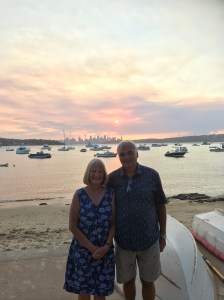
Well, here we are at Sydney airport, waiting for the flight home. It really does not seem that long since we were leaving Exeter to come here, but what a lot we have done and experienced since then! And what a lot of memories we have created!

Reflecting back on our time down under, I have been struck by the friendliness and informality of the Australians – always ready to chat, whether you are in the sea jumping waves, eating fish and chips at Kiama, or queuing up at the checkout in Coles. They are always there to help or give good local advice, and they really do say ‘G’day, mate, how ya’ going?’ But I have to say that I have also been struck by the invisibility of the indigenous people here, the Aborigines, and aboriginal culture. It is present more as an extra than as part of Australia and, to me, it is sad that the people who lived here for 60,000 years before white people even knew there was an Australia have no strong place in modern Australia. In their understanding of the land and the sea, we could learn a lot!

Our time has also been dominated by the bushfires: on arriving in Sydney, the first thing I noticed was the smell of woodsmoke, and on our last day this morning, as we opened our balcony doors, we were hit by the same smell. The bushfires have been news headlines throughout our time here, and still are as we leave. We have experienced the smoke-out days, the orange sky and dusk in the mid-afternoon, and the phenomenal winds that the fires create. And we have seen the burnt-out, charred bush left behind and the trail of the fires’ destruction. We have learned a lot too about management of bush fires and how they are getting worse over time, as Australia heats up and dries out. I had not realised that Australia has not taken much positive action on climate change, and many people here are calling for more action. I will certainly be even more determined to re-use things more, to reduce how much we throw away, and to look carefully at what things are made of.

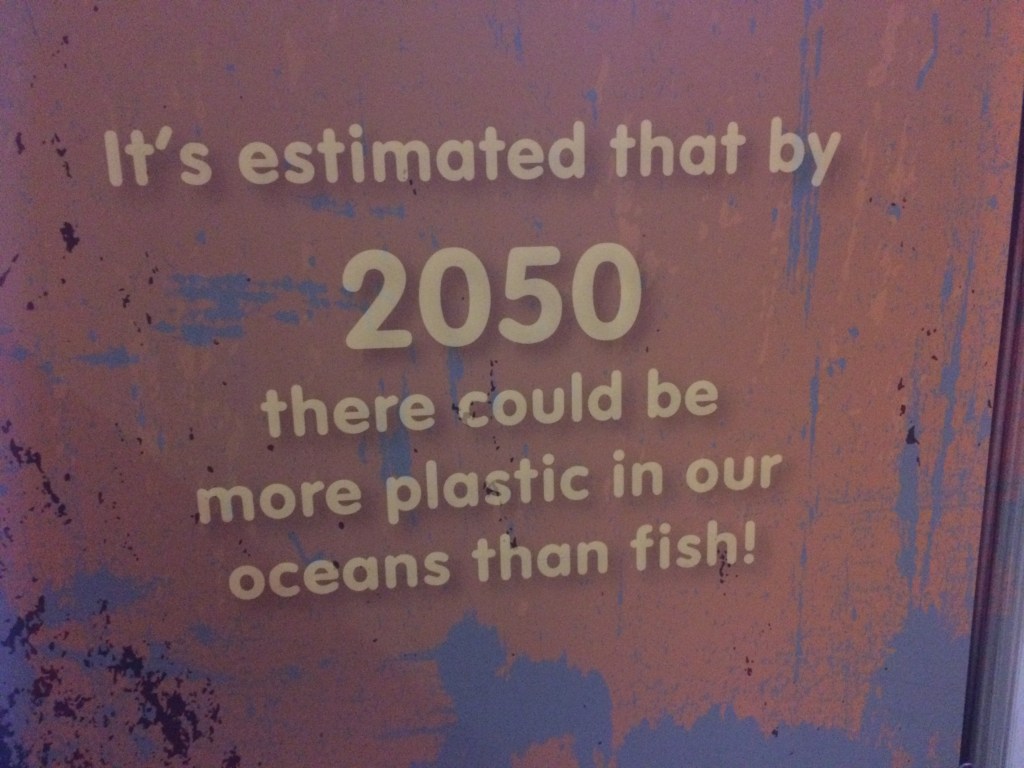
My strongest reflection, though, on our time here is on the wonder of the wildlife. The birds have been truly wonderful – with their loud calls, their bright plumage, and their funny behaviours. Even today, as we walked through the Botanical Gardens in Sydney, we saw kookaburras in the trees, watched the ibis trying to steal food from customers in the cafe, and heard the weird song of the pied currawong. And I haven’t even mentioned the koalas, the kangaroos, the wallabies, the platypuses… The most shocking thing I heard here was that (even without the added bushfire problem) the forecast is that koalas will be extinct by 2050, because of the cutting-down by humans of their eucalyptus trees. That cannot be right!

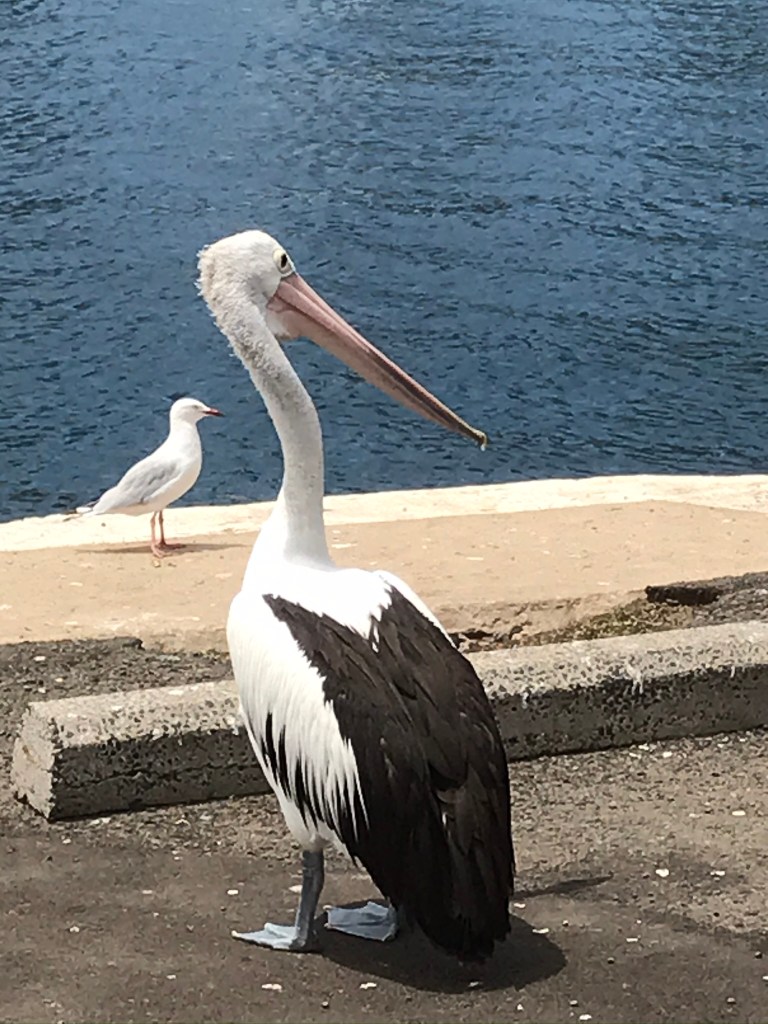
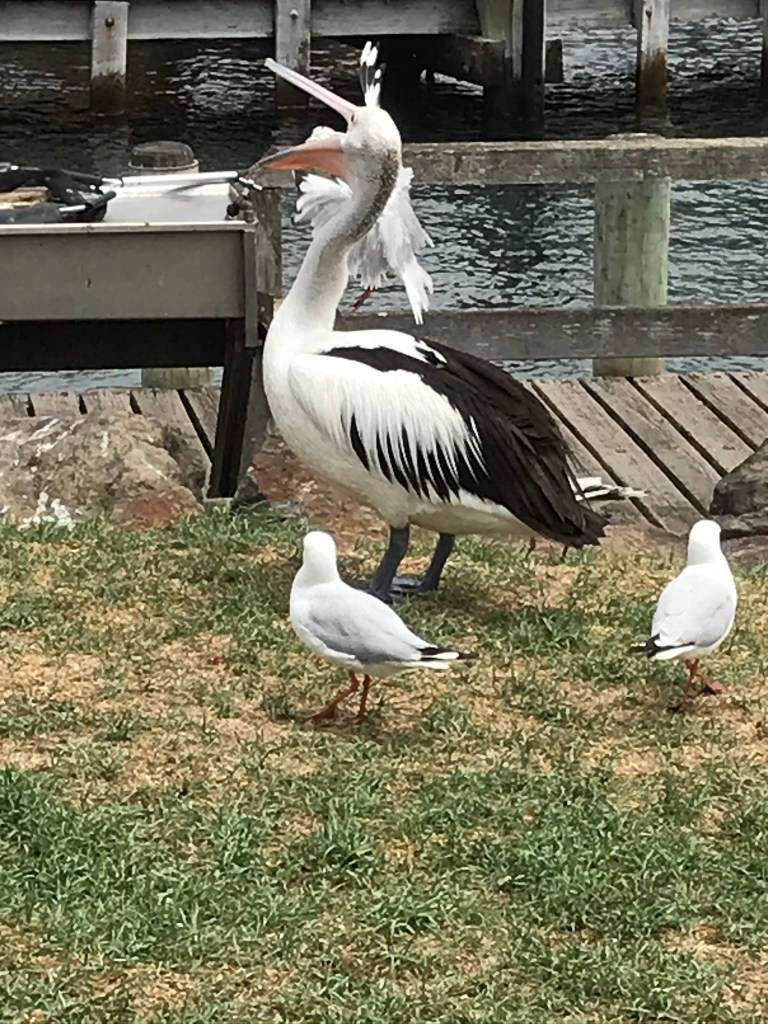
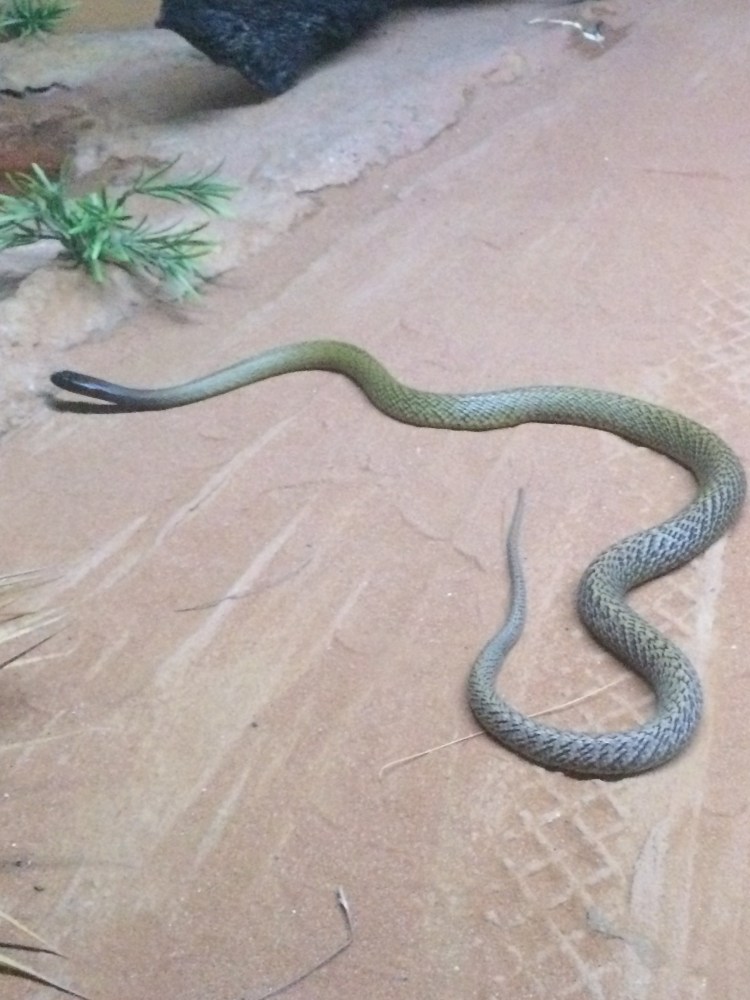
Australia is a land of superlatives: we have seen the biggest blowhole in the world at Kiama; descended on the world’s steepest railway at Katoomba; heard the noisiest cicada in the world on Mount Keira; loved the behaviour of the bird with the largest beak in the world (the Australian pelican); watched the most dangerous bird in the world (the cassowary); and seen (in a tank, thank goodness!) the most venomous snake in the world, the inland taipan. The list could go on. The beauty of the coastline, with the Pacific pounding the shoreline; the endless roll of the bush, humming with life; and the wonder of the wildlife will stay for us for a long time.

But now we are saying goodbye, with a little sadness. But as Grandad, and probably somebody else more famous, said: Don’t be sad that it’s over, be glad that it happened. We are indeed glad!
31 January 2020

Today is our last day in Wollongong. We leave on the train for Sydney in about an hour, and we’ll spend two nights in Sydney before flying home. It feels very strange and a little sad to be saying farewell to the apartment which has been our home for three months!

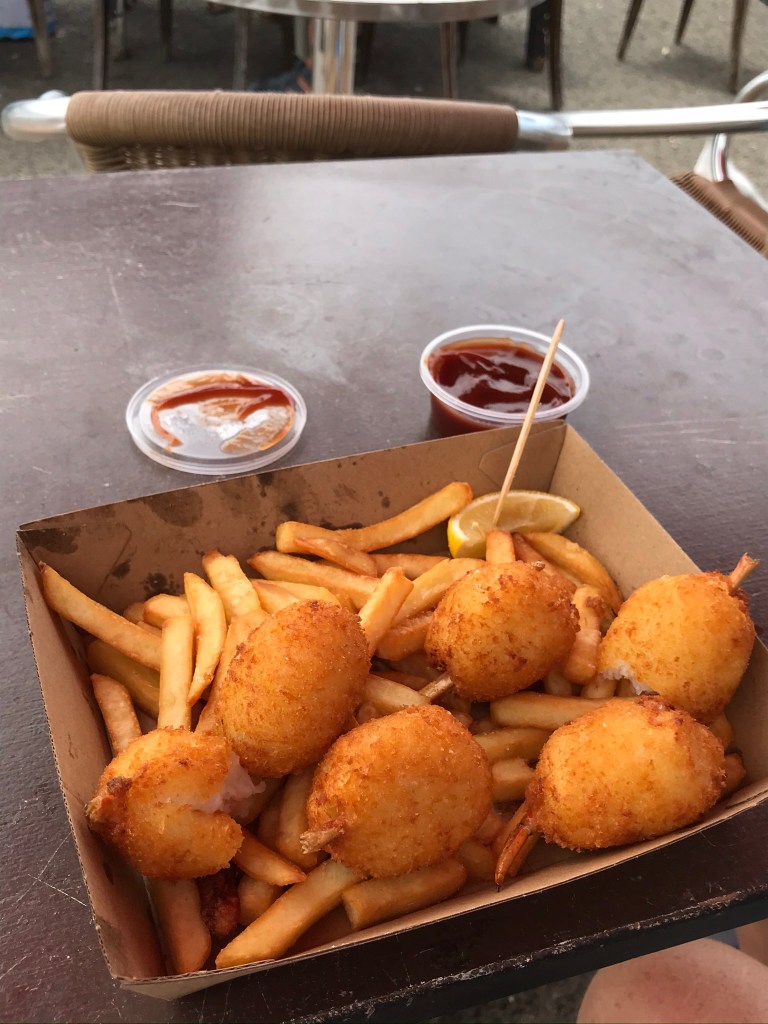
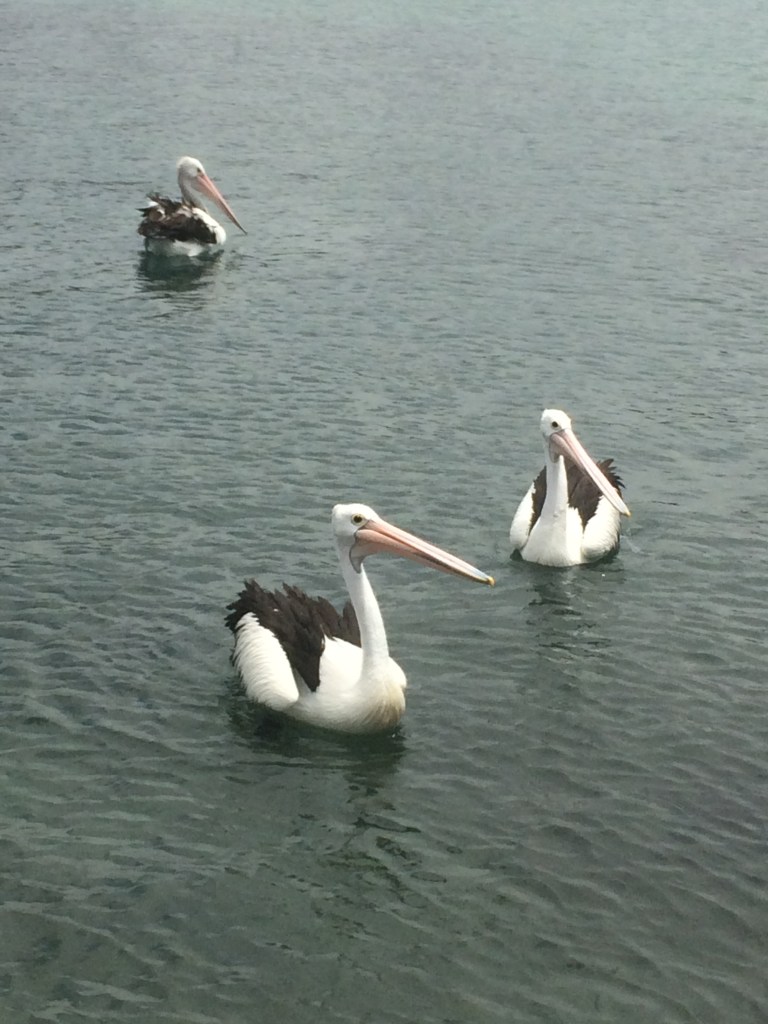
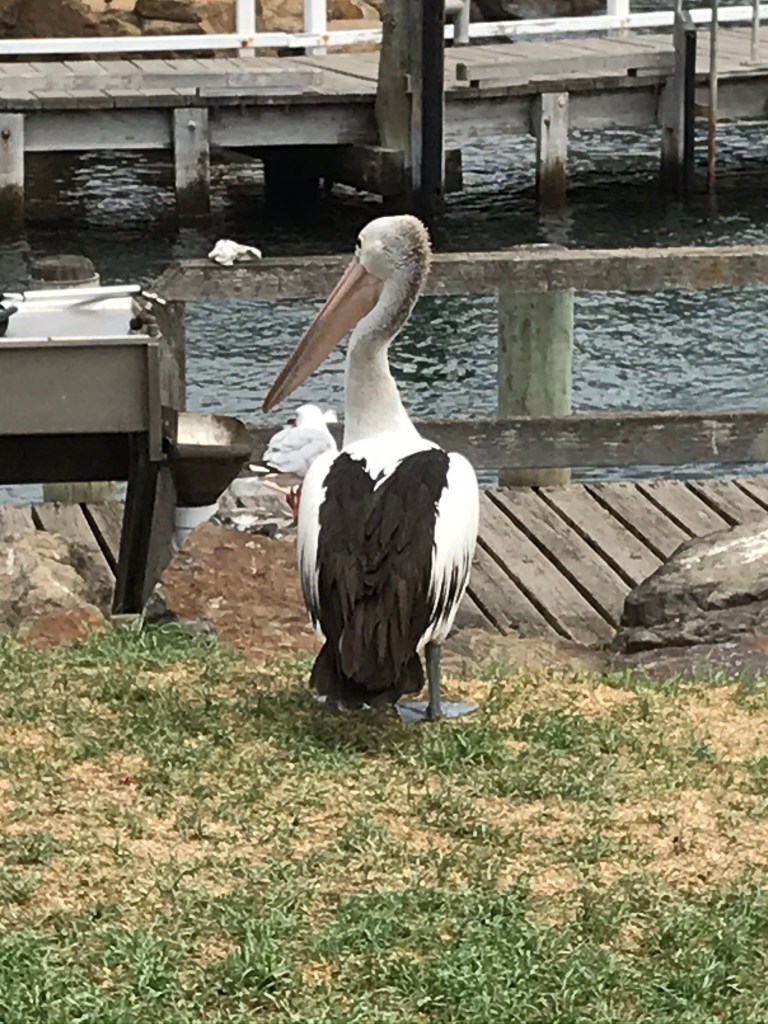
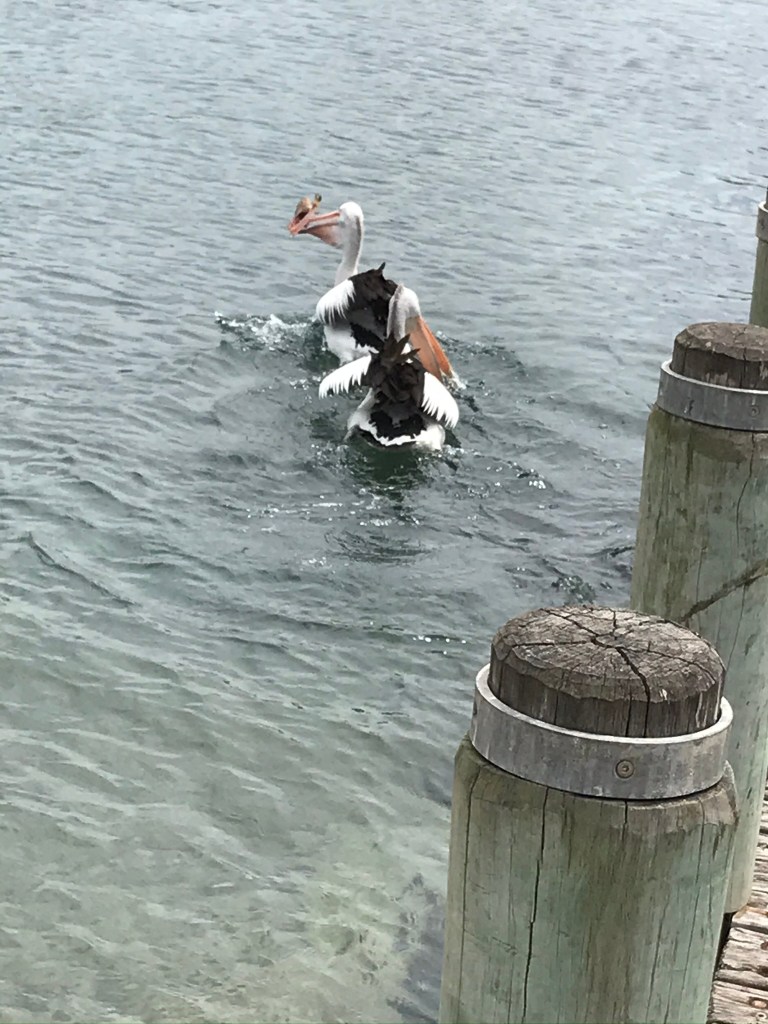
On our first full day in Wollongong, back in November, we went to Kiama. And so, just to round things off neatly, on our last full day in Wollongong, we went to Kiama again. It is one of our favourite places. We walked from the big blowhole to the little blowhole, several bays along the coast, then had crab claws and chips at the harbour fish and chip shop (these places are familiar to some of you!) We had a real treat there, as a fishing boat came in, and was instantly followed by three cheeky pelicans. The fishermen then filleted their fish on a special bench by the harbour, and every now and again threw some fish to the seagulls and pelicans.

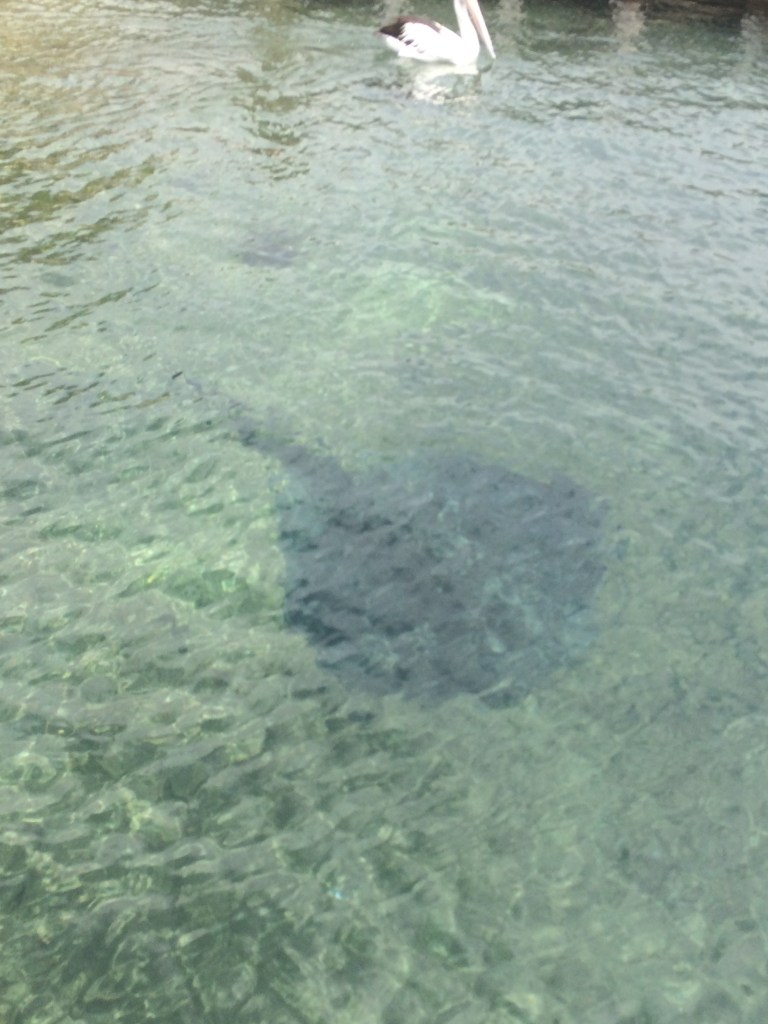
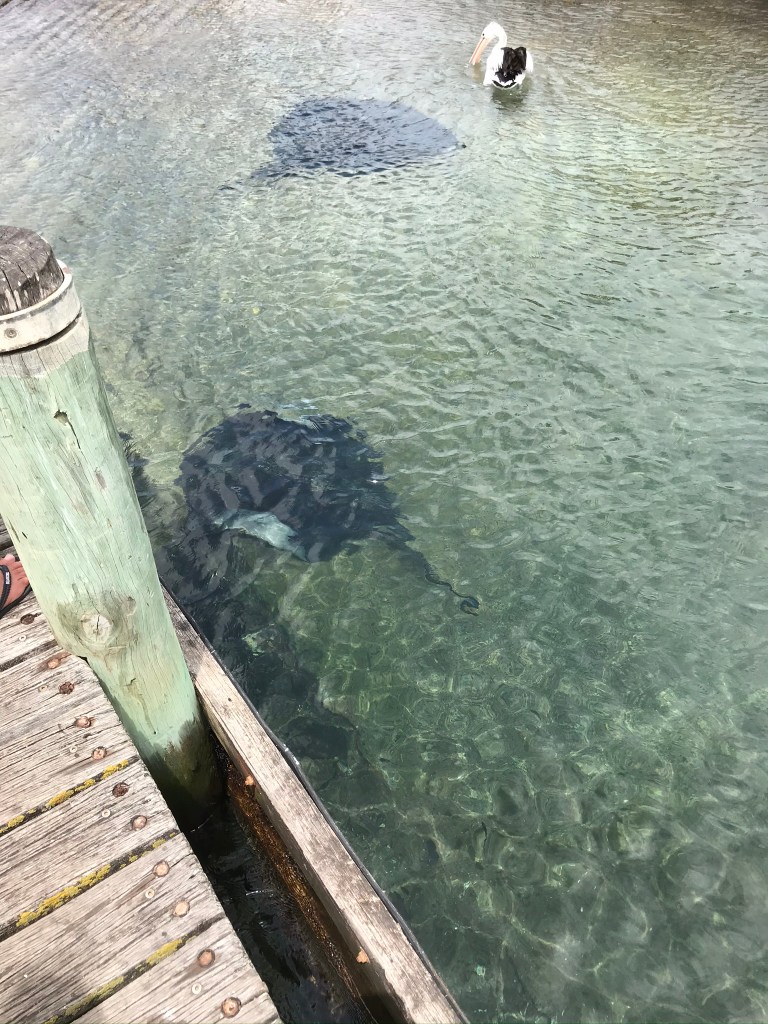
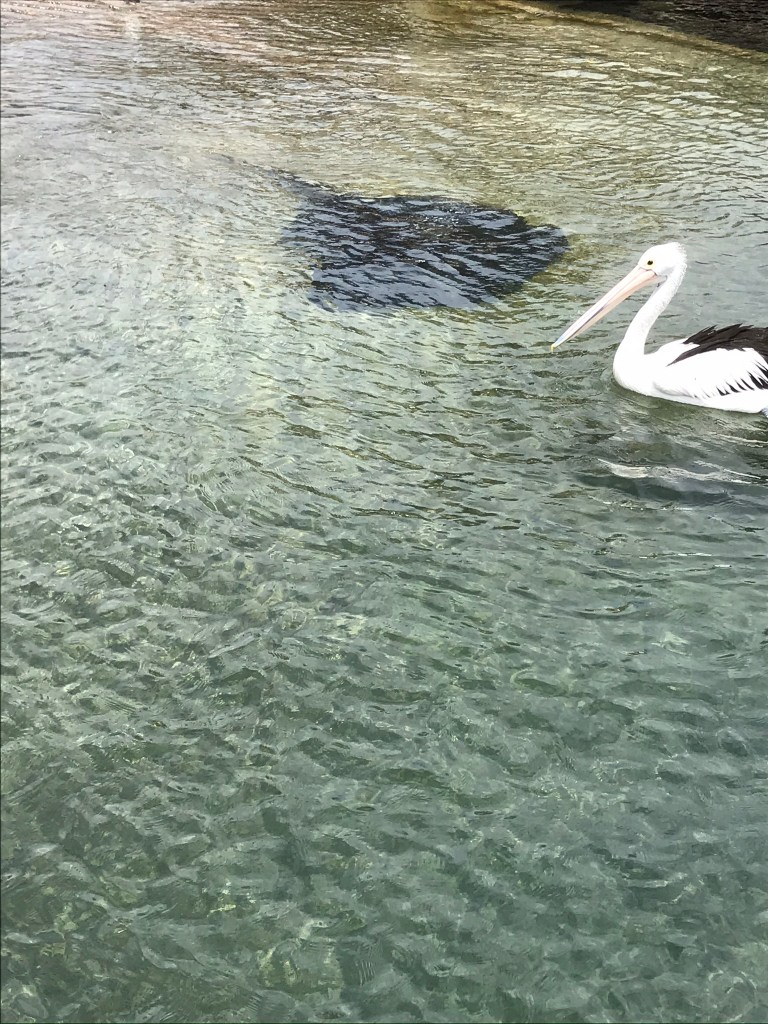
But then, we noticed a stingray in the water by the fisherman, just gliding up and down the jetty, scavenging for fish titbits. Grandad managed to capture this in the video clip below.

As we watched, two more appeared: ominous black shadows in the water, slipping underneath the pelicans, and scooping up any fish they dropped. They were very large – the largest was probably 1.5 metres wide, with a rather intimidating barb. Actually they looked beautiful: gracefully gliding, with their wings gently flapping, showing a silver underside. But I’m not sure I’d have wanted to be in the water!

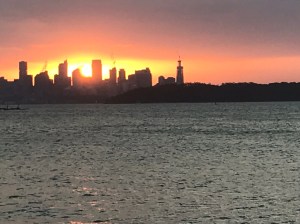
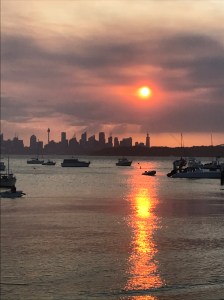
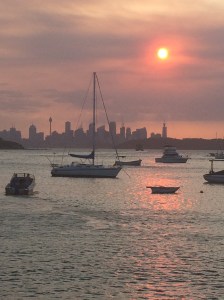
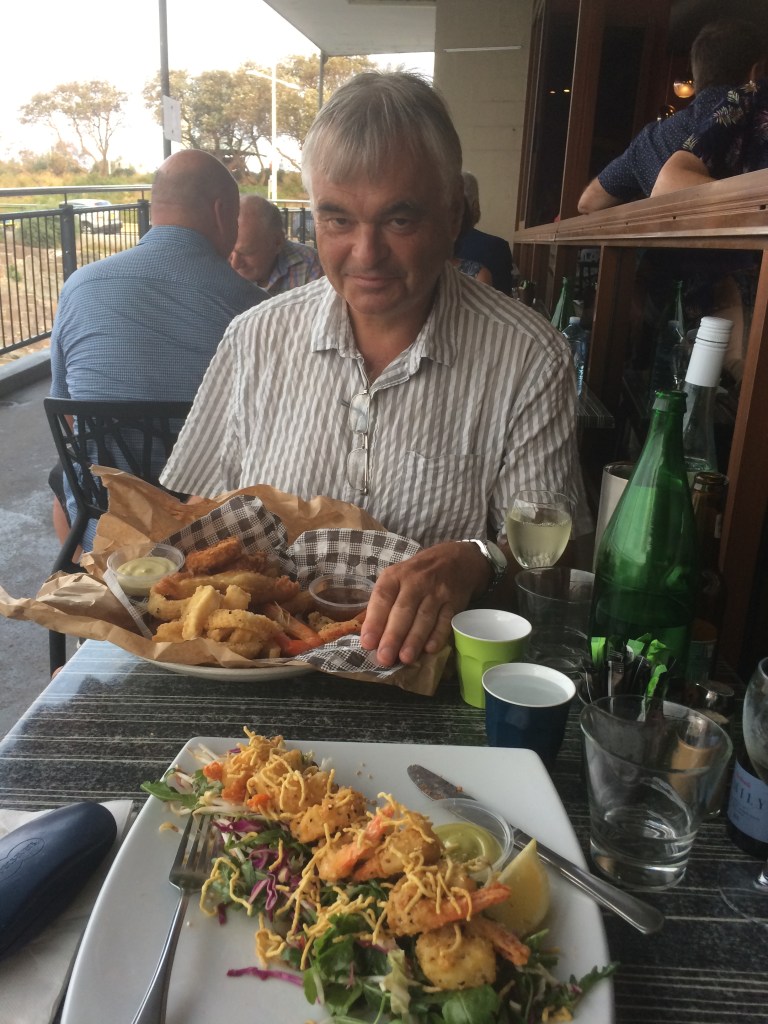
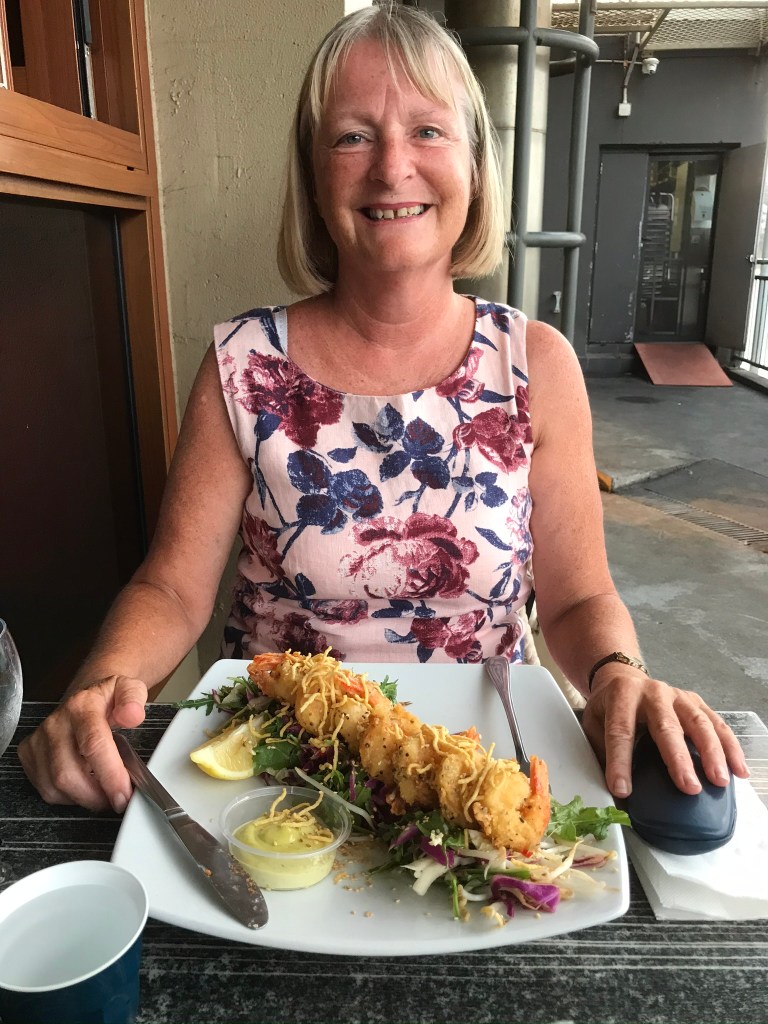
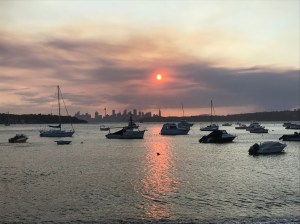
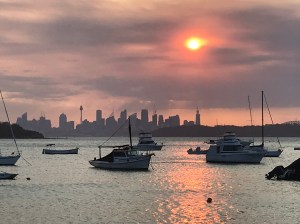
For our final evening, we had dinner at Steamers, a restaurant right beside City Beach, and watched the waves rolling, and the sky turning pink. We walked home around Flagstaff Head, spotted a naughty pelican stealing fish from a fisherman’s bucket when he wasn’t looking; then through the city centre where the rainbow lorikeets were roosting and making their almighty din; and finally, back to our flat with the sun setting red and the bats flying. Essence of Wollongong!

Goodbye, Wollongong!

26th January 2020

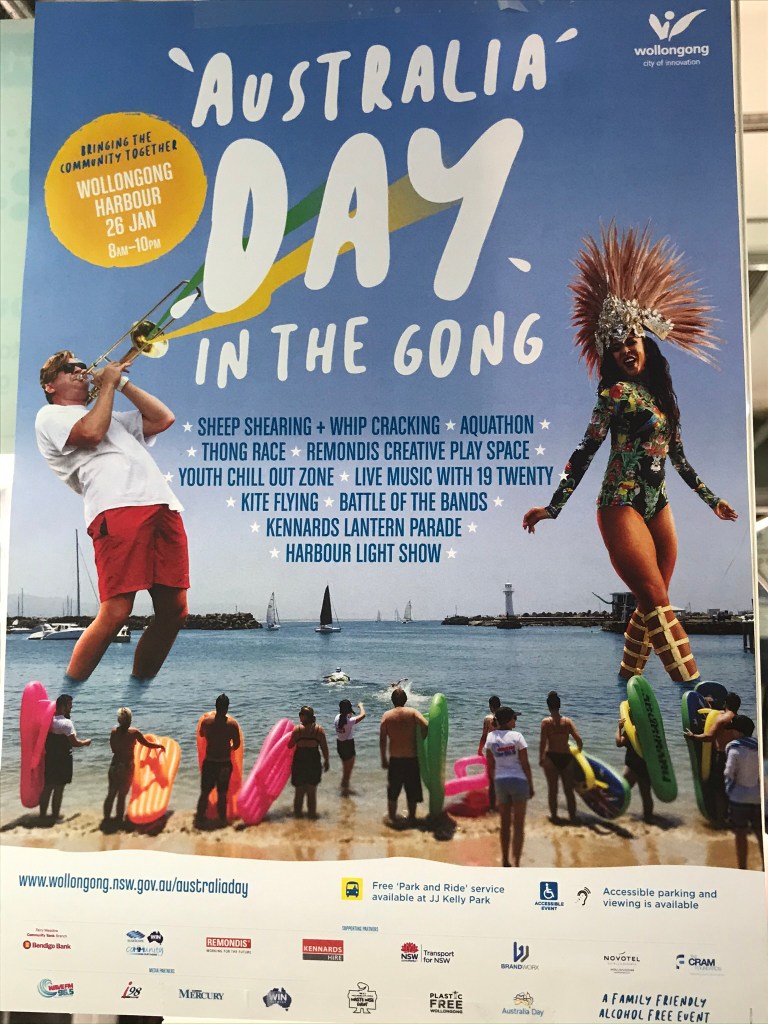
Two days of celebrations – we really know how to party! Today is Australia Day – when the Australians celebrate being Australians. In actual fact, it marks the day in 1788 when the first British ships arrived in New South Wales and raised the British flag. So it is a little bit controversial, as since that time, the Aboriginal Australians who have lived here for 60,000 years have not been treated well: some people refuse to call it Australia Day and say it is Invasion Day (the day Britain invaded Australia and then did a lot of very cruel things to the aborigines and their land).

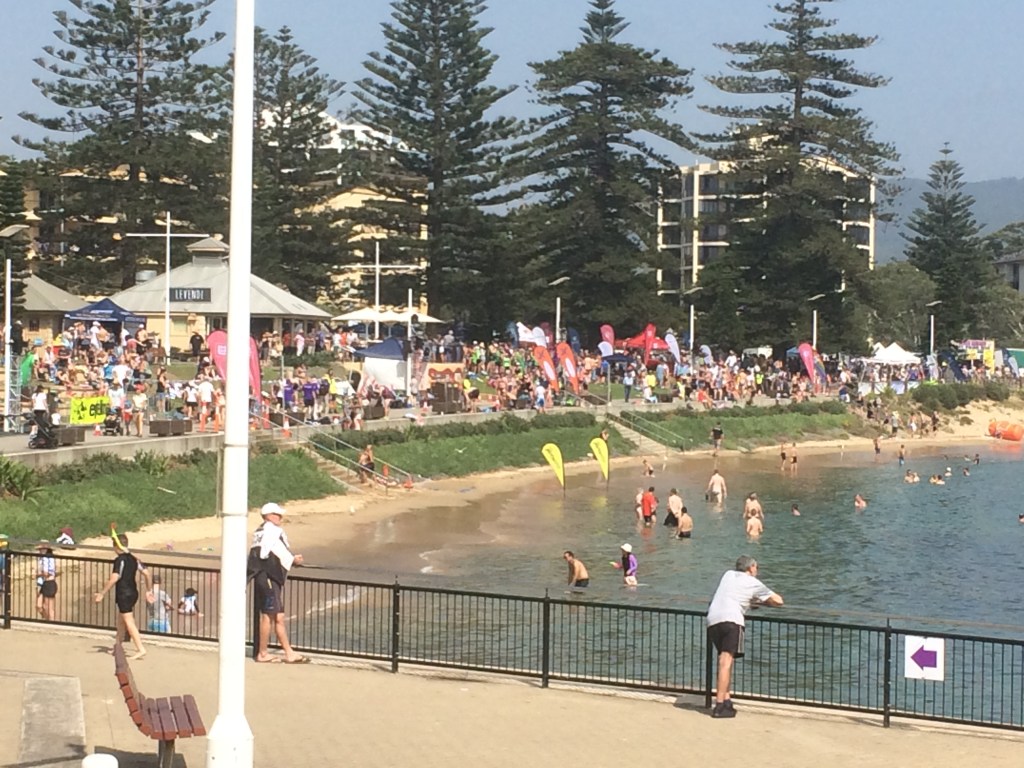
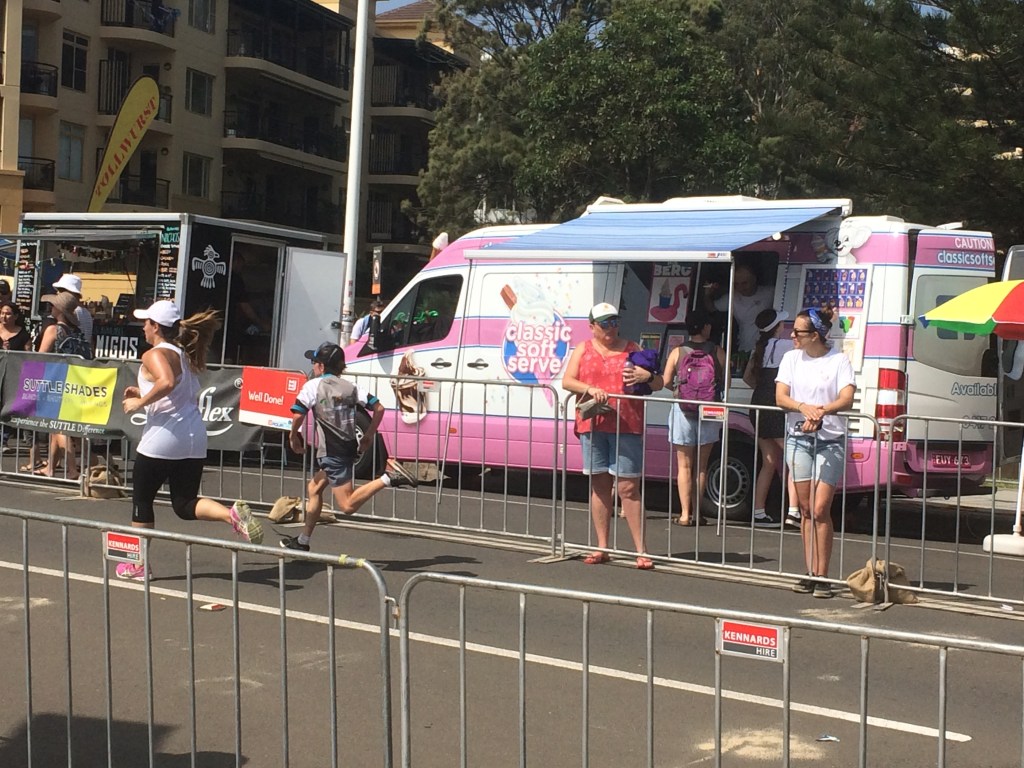
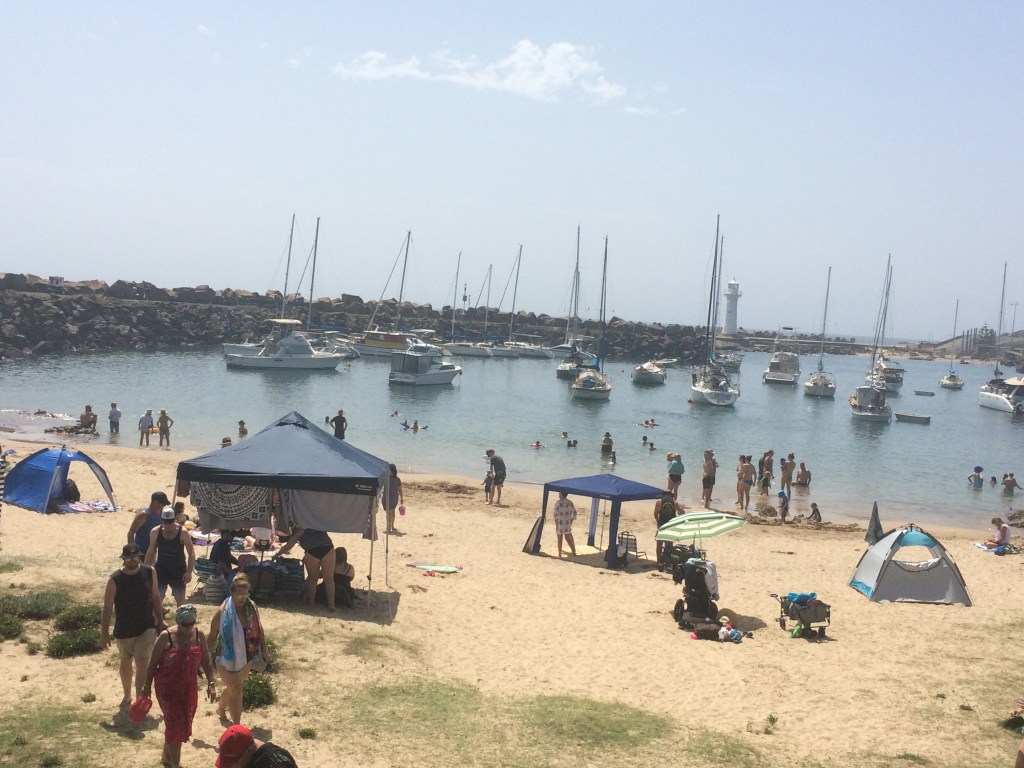
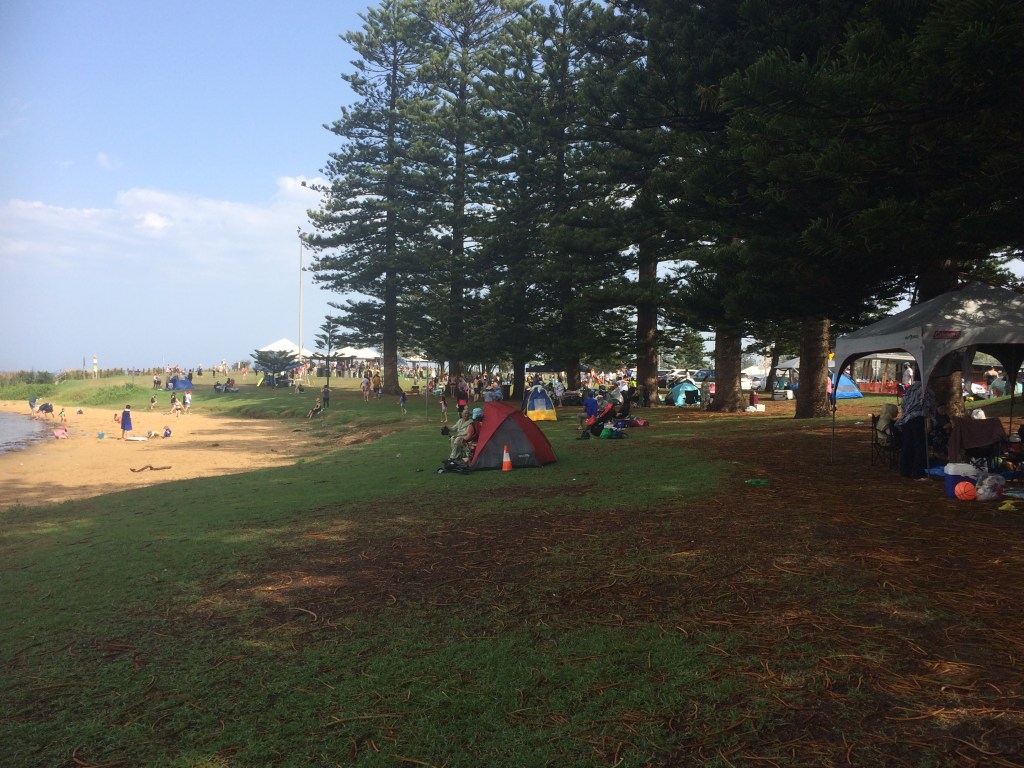
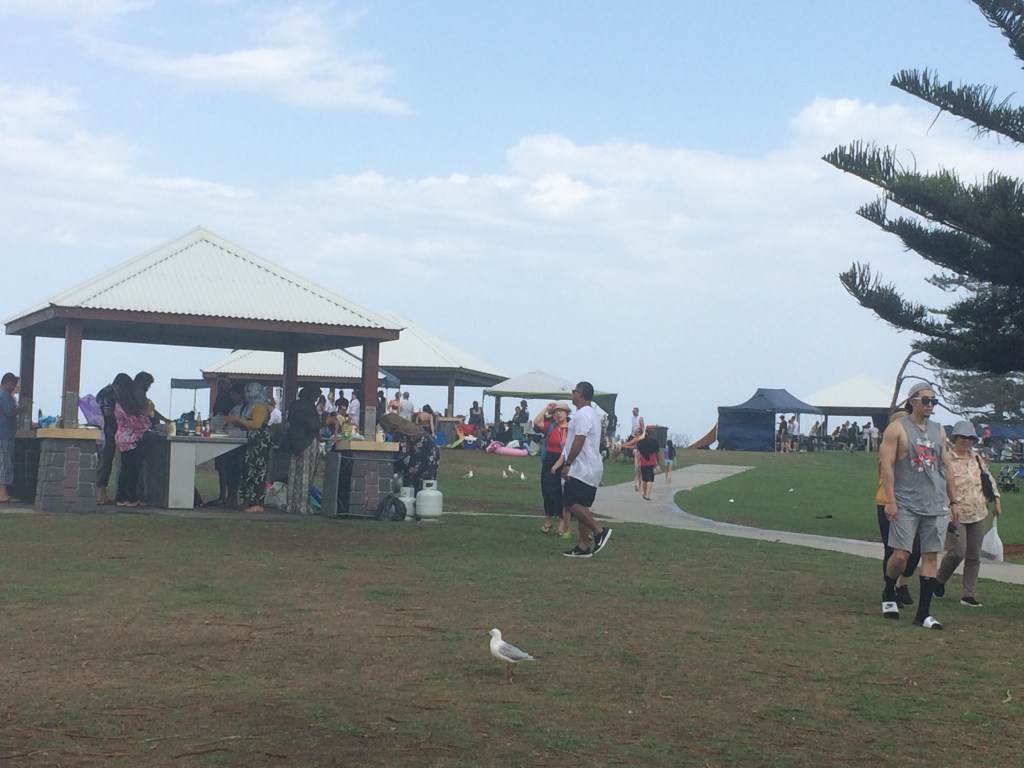
The day began here in Wollongong with an aquathon – a swim in the harbour and round to North Beach, then a run back to the harbour. (Not us – other people!) So there was a lovely buzz around the harbour, with people arriving back to the finish line, feeling very pleased with themselves. Then it was beach and barbecue time: the first time we’ve really seen the Aussies out en masse with their barbies. There is no parallel in England – we might have wicker baskets and waterproof rugs for our picnics, but the Aussies have a whole kit! There were not just the little beach tents, but pergolas, pergolas with net sides, octagonal tented pergolas… And people brought portable gas barbecues, tables and benches, mats, wheeled cooler boxes, and wheeled ‘trucks’ for carrying all the kit. The beaches, and the grass behind the beaches, were completely packed with families enjoying the day. There was a lovely, buzzy atmosphere all day.

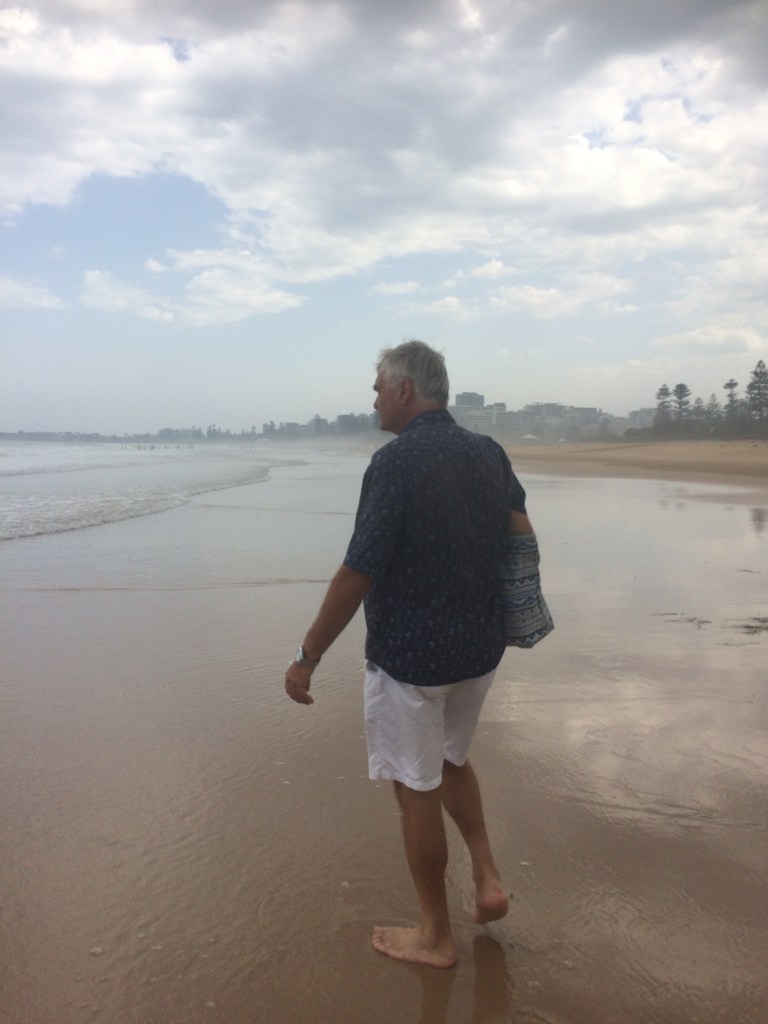
We marked Australia Day by walking along the beach from Towradgi to Wollongong, watching a tremendous downpour from the cover of the Lagoon restaurant, then having dinner at Bombora by the harbour in the evening. A lovely day!

25th January 2020

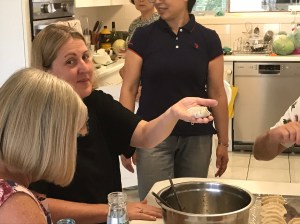
Celebrating the Chinese New Year! We were really lucky and spent the evening with Chinese friends, Honglin and Jin, here in Wollongong, having a real Chinese experience of their New Year.

This year, the Chinese New Year is today, the 25th of January, and it is the Year of the Rat. Each Chinese year is named after one of twelve animals, and each of these animals is lucky in different ways. We cover a good range of these twelve animals in our family: Nana and Grandad are both in the Year of the Dog; Summer and David are both Year of the Pig; John is Ox; Emily is Snake; Ann-Marie is Monkey; Mia is Tiger; James is Horse; and Daniel is the Year of the Rooster. But please don’t start acting like your animals!

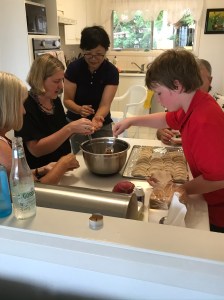
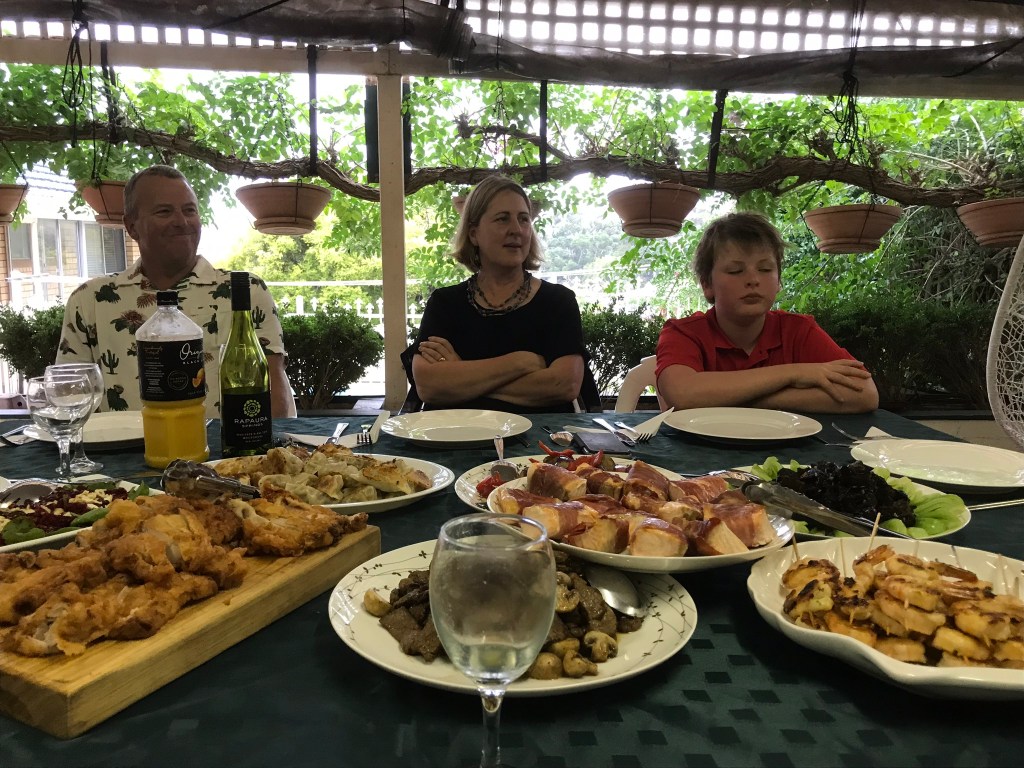
Before we had dinner, Honglin showed us how to make Chinese dumplings. These were small circles of dough, filled with minced beef, ginger and chilli, and making them was quite an art. I think I need to practise this more when I get home! But they were delicious to eat! And our dinner was a table full of the most lovely food: lemon chicken; garlic prawns on skewers; the dumplings; rice; fresh salmon; stir-fried beef… Mmmm!

17th January 2020

This blog entry is co-authored with Mia. Our day at Symbio Wildlife Park involved many reptiles in a reptile house, and a Reptile Extravaganza Show. Mia is fascinated by reptiles, especially snakes, so this was a great experience!

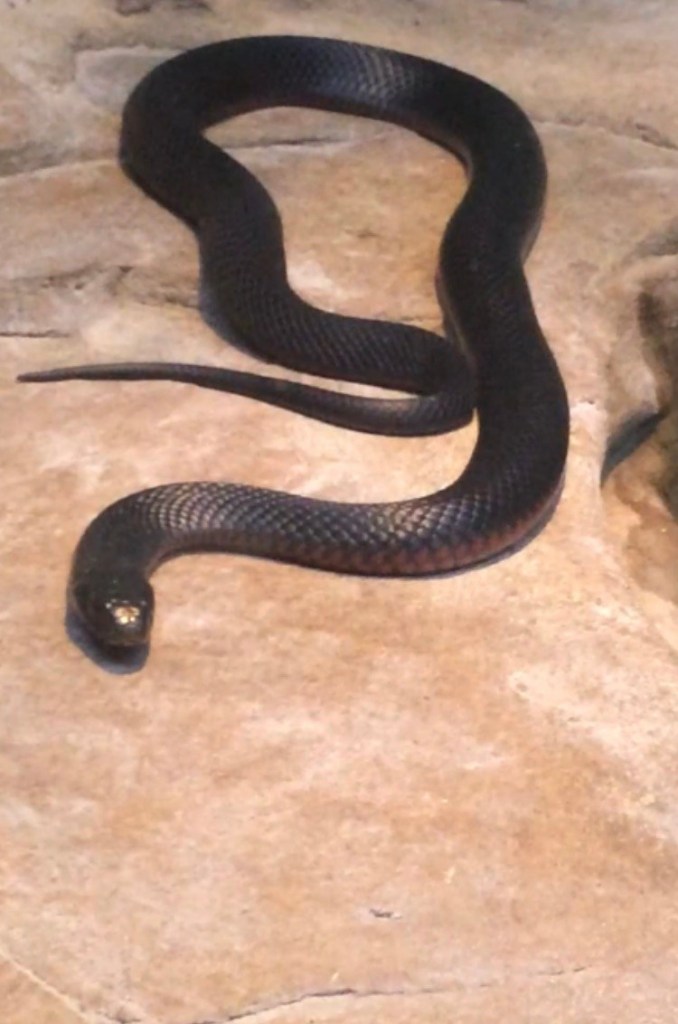
Australia has 20 of the 23 most venomous snakes in the world, and at Symbio we saw an inland taipan (photo 1), which is the most venomous snake in the world. But curiously, no-one has ever been killed by one – probably because they live in the remote outback. We also saw one of Mia’s favourite deadly snakes – the red-bellied black snake (photo 2). There are lots of these in New South Wales, especially wet, coastal areas. Do you know the difference between a venomous creature and a poisonous creature? Mia does. A venomous creature injects toxin into a victim, usually with their rear fangs; whereas a poisonous creature has to be eaten or touched for the toxin to get into a victim’s body. When she gets back from Australia, Mia is hoping to buy an albino western hognose snake as a pet. The hognose is mildly venomous because it has toxic saliva linked to a rear fang, but this is only strong enough to harm small amphibians: to humans, it is like a bee sting, with some itchiness and swelling. Other snakes also have toxic saliva, such as the False Water Cobra.

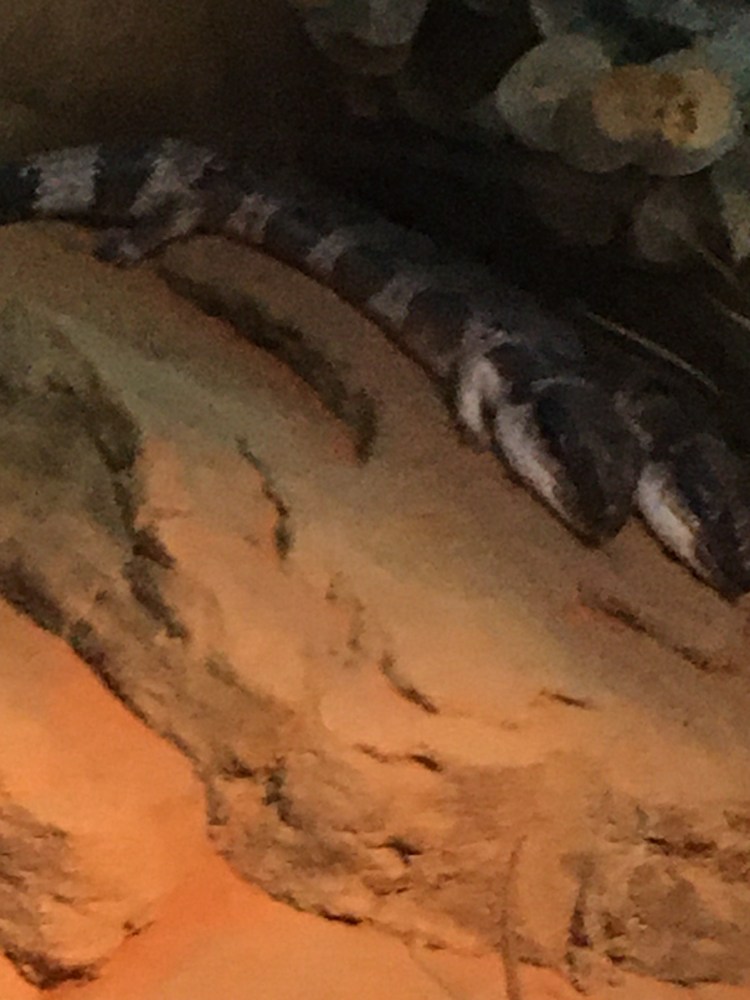
Some people are scared of spiders, but if you have a blue-tongued lizard (photo 3), there will be no problem for you – because spiders are a yummy and tasty treat for blue-tongues.

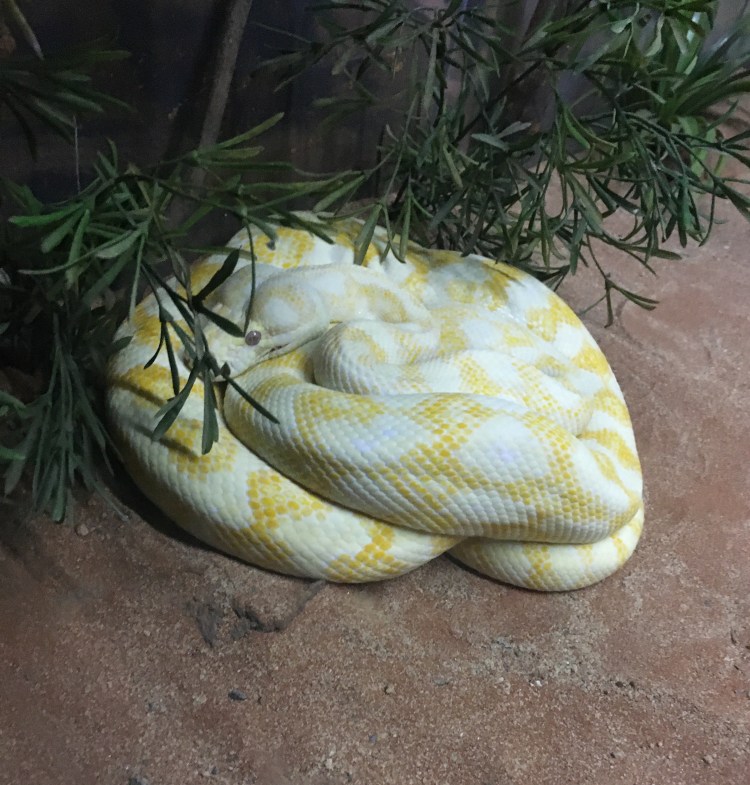
The reptile house had several different pythons: an albino carpet python (photo 4); an olive python; a woma python, a black-headed python and a Burmese python.

All snakes have different ways of killing their prey – pythons use the constriction method. They wrap their body around their prey, and squeeze, until the animal is out of breath. Then they have dinner! Now you can watch a hilarious video of an olive python dancing – watch those moves!

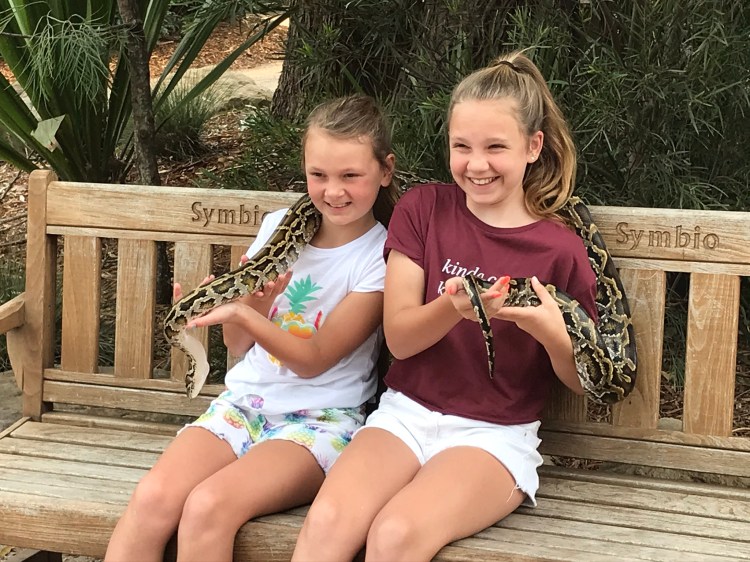
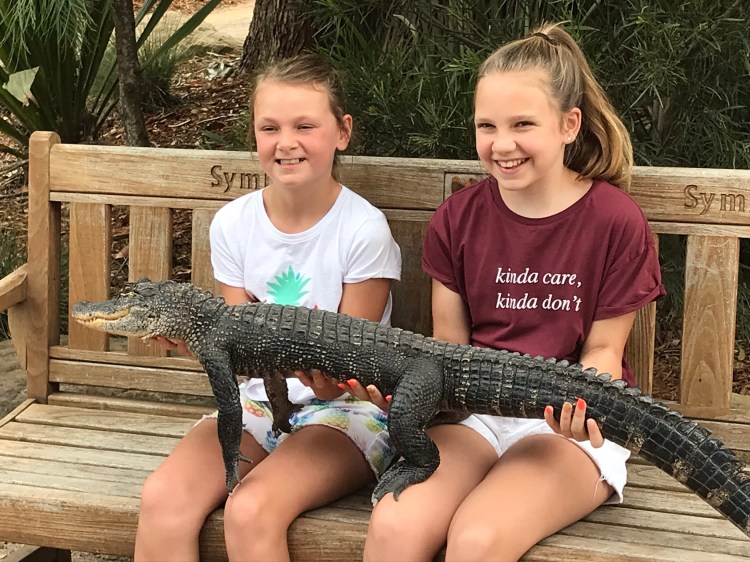
The grand finale was at the Reptile Extravaganza Show when Mia was able to hold her favourite python, the Burmese python. Did you know the Burmese python can grow up to 23 feet and more! It was a cautious little Burmese python because it kept moving while we were holding it. Mia also had fun holding an American alligator. One of her favourite You-Tubers (Emily) rescued an American alligator, and this inspired Mia to want to hold an alligator – although the crocodilian family are her worst fear!

16th January 2020

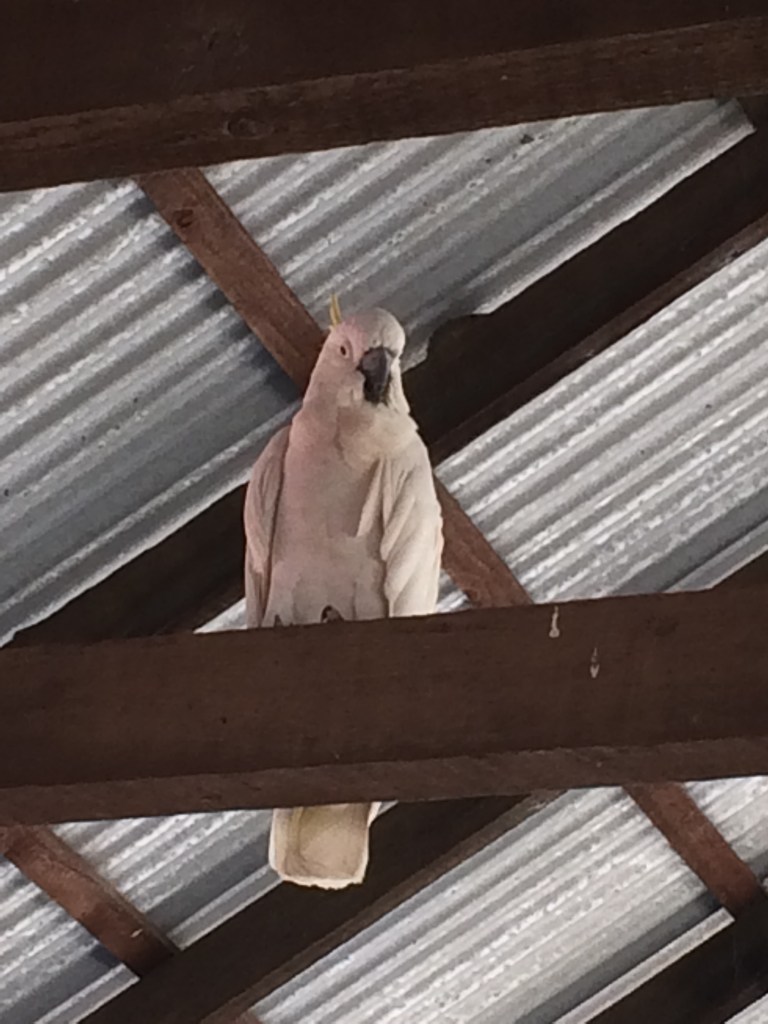
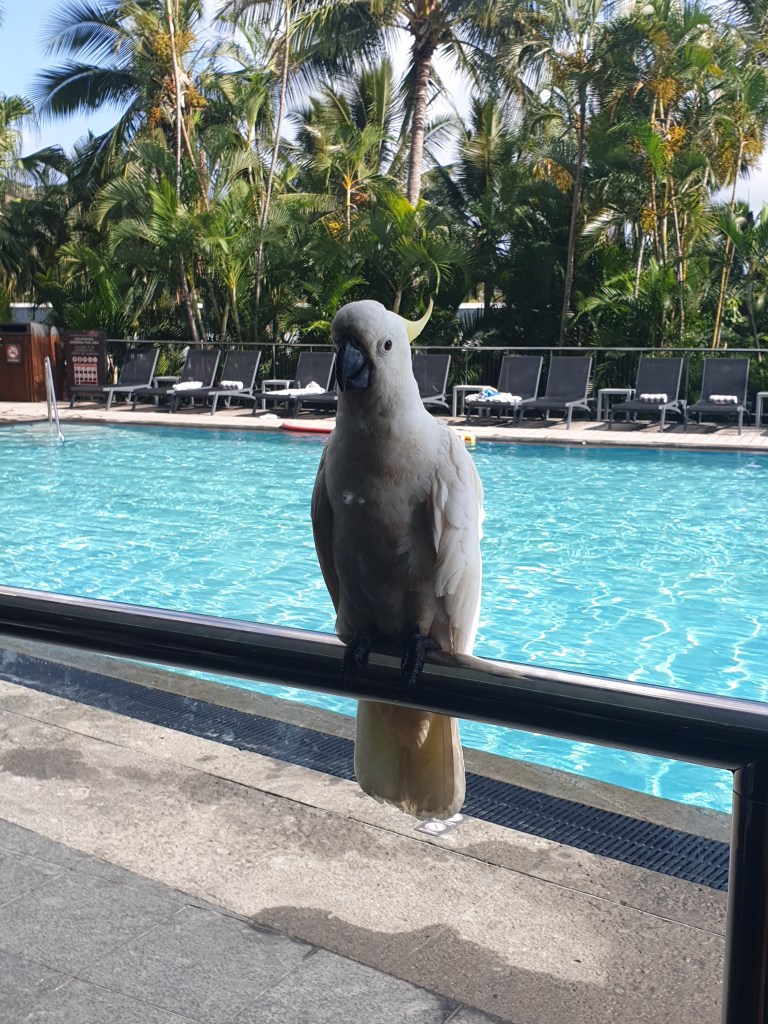
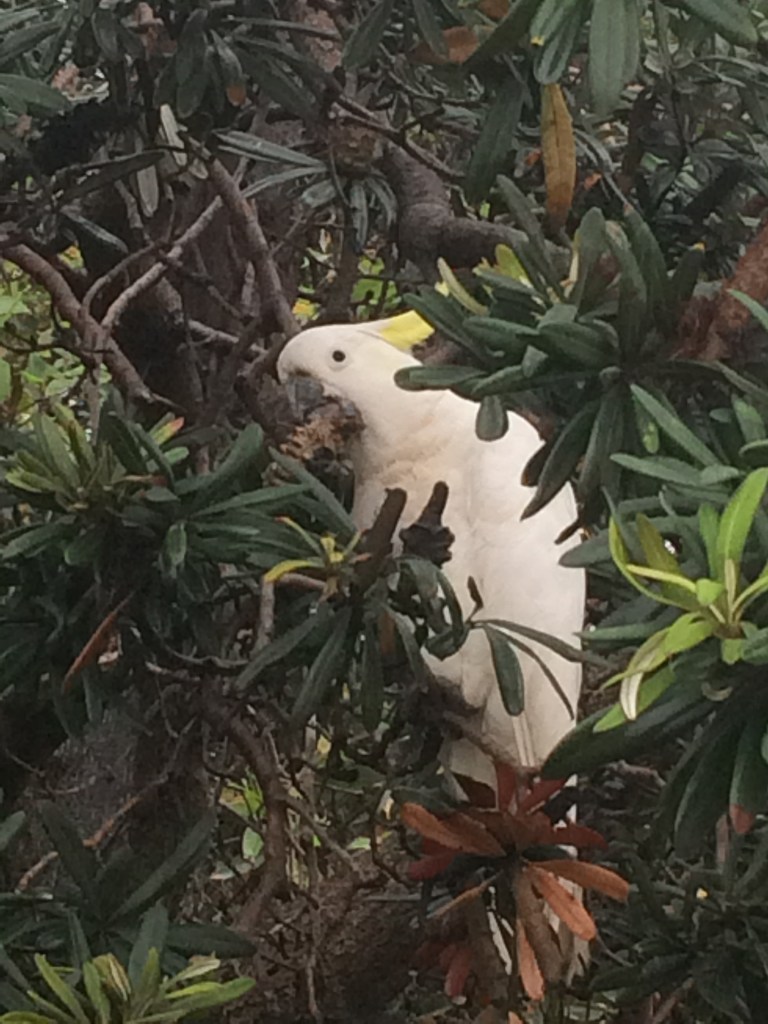
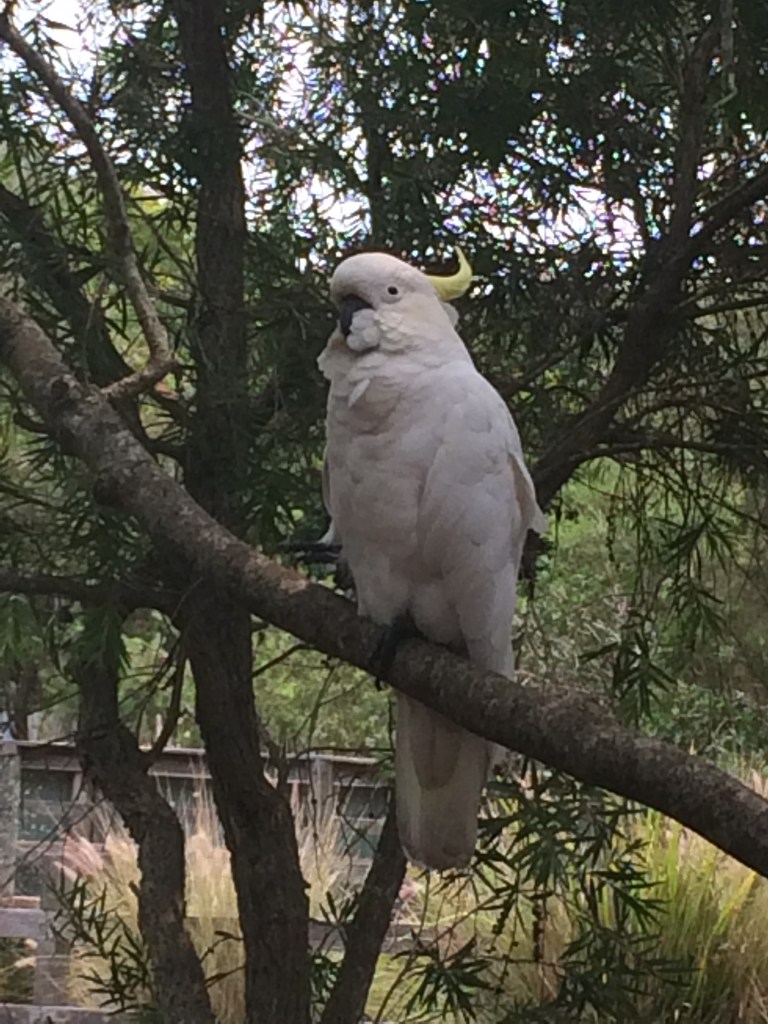
No blog about Australia would be complete without an entry on the white cockatoo (or the peckatoo, James?). Throughout this part of New South Wales, there are hundreds of thousands of the sulphur-crested cockatoos. These are beautiful white birds in the parrot family, with a vivid yellow crest and soft lemon feathers under their wings. You see them at the beach, in the parkland, in the bush, in the city – in fact, everywhere.

Sulphur-crested cockatoos make the most raucous screeching noise: we hear them first thing in the morning, and then again, in the evening as they are beginning to roost. They perch on top of TV aerials, fences, and cabbage palm trees and screech at each other. (you can hear what they sound like on the audio below). They are sociable birds, and I often wonder what they are saying to each other. In the evening, they all flock together and fly to the escarpment behind Wollongong to roost: there are white birds everywhere, and the air is filled with a chorus of screeching, until they all settle down to sleep in the trees, looking like white candles on the branches.

They are very curious and intelligent birds, and we have often found them watching us! One kept an eye on us from a barn rafter in Audley in the Royal National Park; another one watched us eat lunch at Symbio Wildlife Park; and another observed our breakfasting habits on Hamilton Island. Of course, they are keen to share our food, and when James and Daniel visited Symbio we saw one cheeky fellow take someone’s packed lunch from the table, fly to a branch and then very deftly, rip off the plastic to eat the food inside.

They also love eating the kernels inside the banksia cones, and at the moment, they must be particularly tasty, as we keep passing banksia trees where the ground is littered with spent cones, sprigs of banksia, and broken twigs. They are not very tidy eaters! But they are extremely dexterous, using their curved beaks to extract the kernels, and then using their claws as skilfully as we use hands.

Perhaps our biggest surprise was at Symbio with Mia and Summer when we heard one say ‘Hello’ to us several times. It was in a cage, which seemed odd, as there are so many wild ones there. But we found out that it was a pet that someone didn’t want to keep, and so the wildlife park staff were caring for it. Birds shouldn’t be kept in cages as pets!

14th January 2020

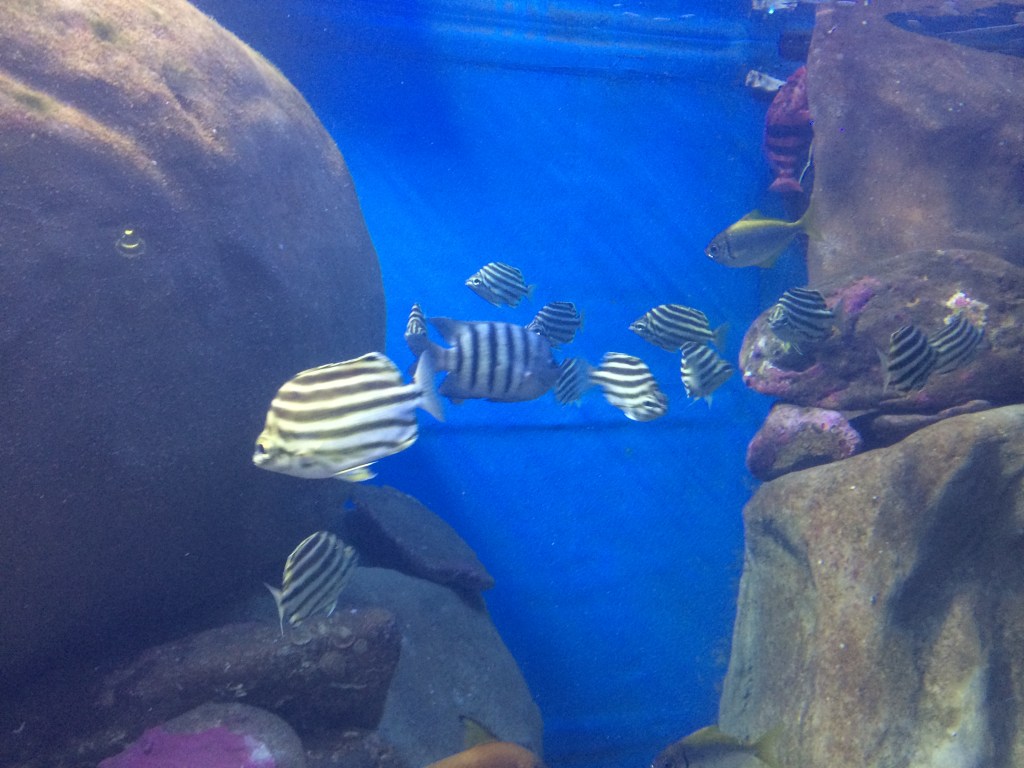
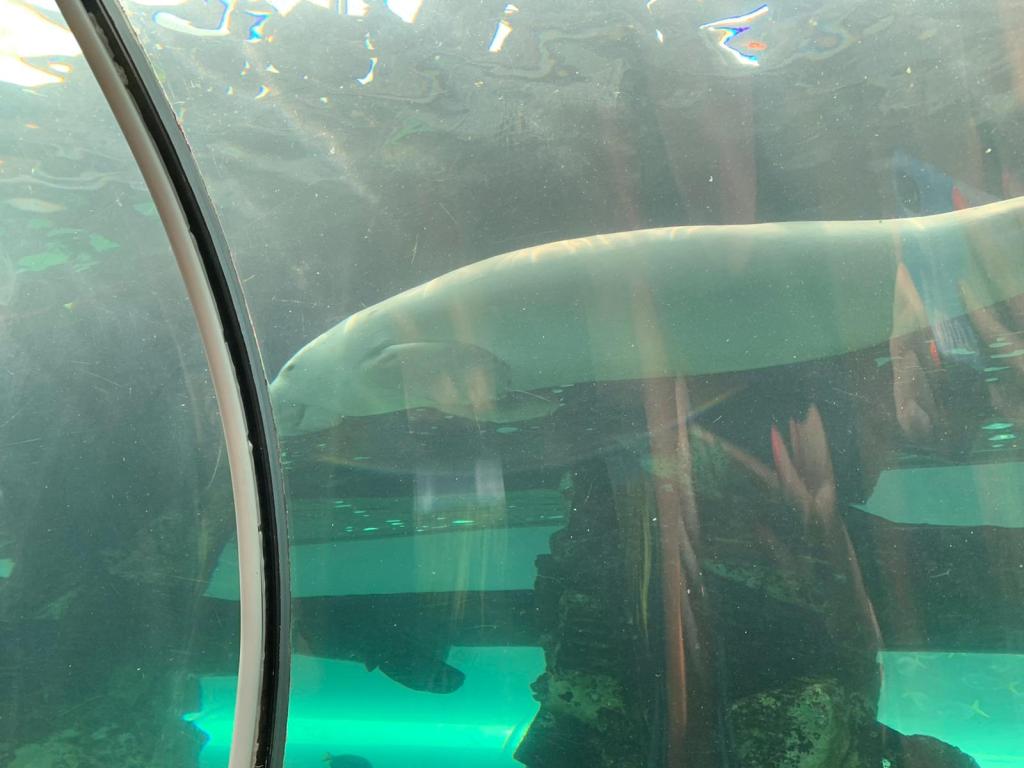
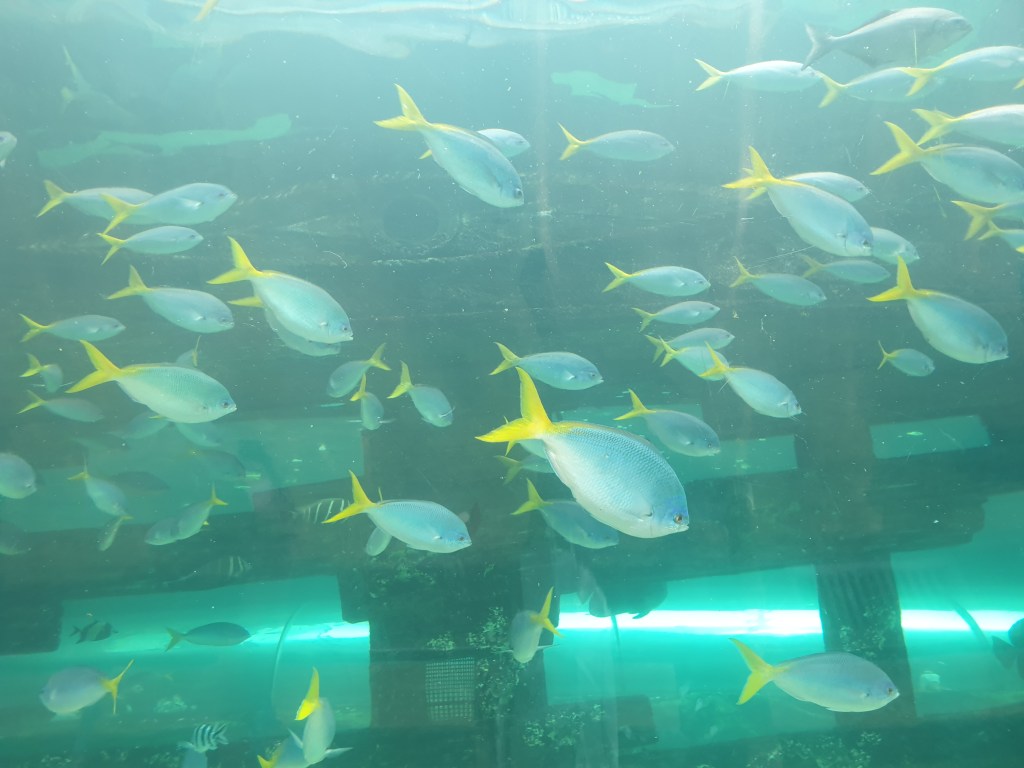
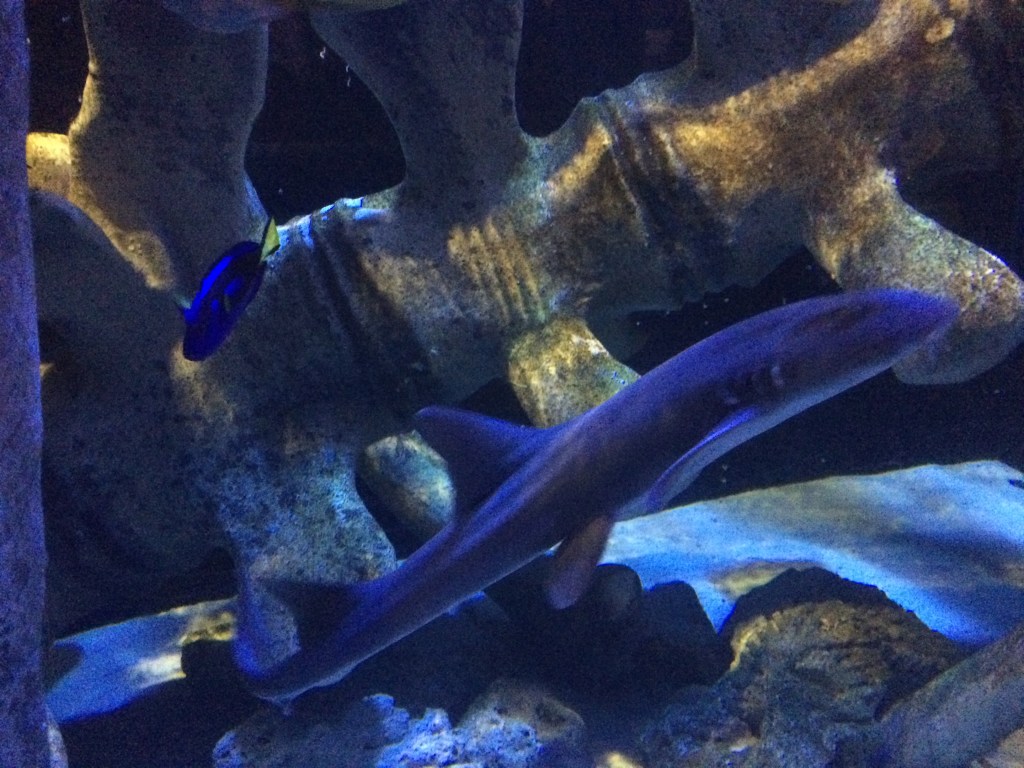
January 14th – and Summer’s first birthday in the sun! She celebrated her twelfth birthday in the Australian sunshine, so very different from the cold, rainy weather in Bradninch at the moment. We visited Sydney Aquarium – and had a marvellous time exploring the oceans. There were tiny seahorses (my favourites); tropical fish of every colour, shape and size; and 13 species of shark. But I think we were all most fascinated with two creatures: the dugong, and the eagle rays.

The dugong is a curious creature. It is a relative of the elephant, and is a large sea mammal – and we could see it rising to the water surface to breathe. The dugong in Sydney Aquarium was rescued at 3 days old, then released into the wild. But 10 months later it was rescued again in a poor condition, and had been attacked by other male dugongs. So the keepers decided a) to keep him safe at the aquarium and b) to call him Pig (which is an odd choice as he is really more like a cow!) He eats up to 35kg of cos lettuce every day – and that is a lot of lettuce!

The Eagle rays were beautiful – gliding elegantly through the water, gently waving their wings, and swaying their long tails. They are black on their upper surface with tiny white spots, and completely white underneath. Because of the way the aquarium is designed, we were able to walk through the tank in a tunnel and see the rays swim over us, and then look down on them from a balcony over the tank. They had a grace and calmness which was compelling. But of course they are stingrays, and those sleek, long tails hide sharp, venomous barbs. I couldn’t help thinking how nice it was to be seeing them from the safety of the aquarium, rather than first hand in the water!

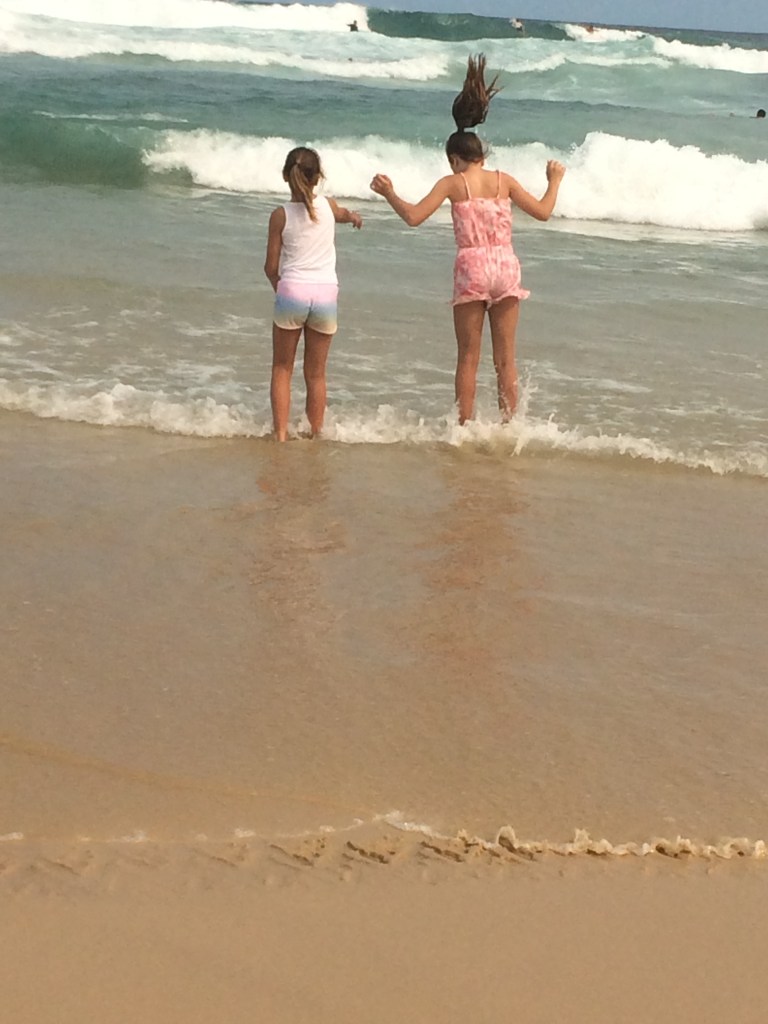
From the aquarium, we went to Bondi Beach, and watched the surfers strut their stuff. The waves were huge, but there are also strong currents so it is not safe for swimming – and we regularly heard the famous Bondi Beach lifeguards warning people in the water. But Mia and Summer managed to get a feel for the water by jumping waves in the shallows.

And the sad, salutary lesson of the day…

9th January 2020

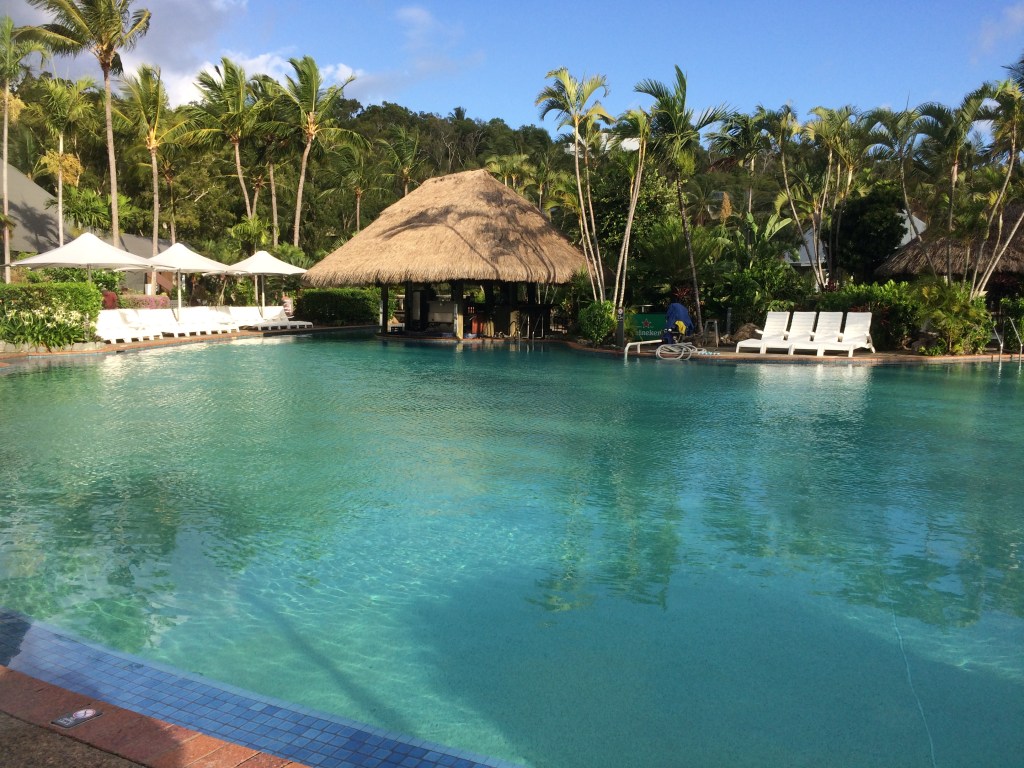
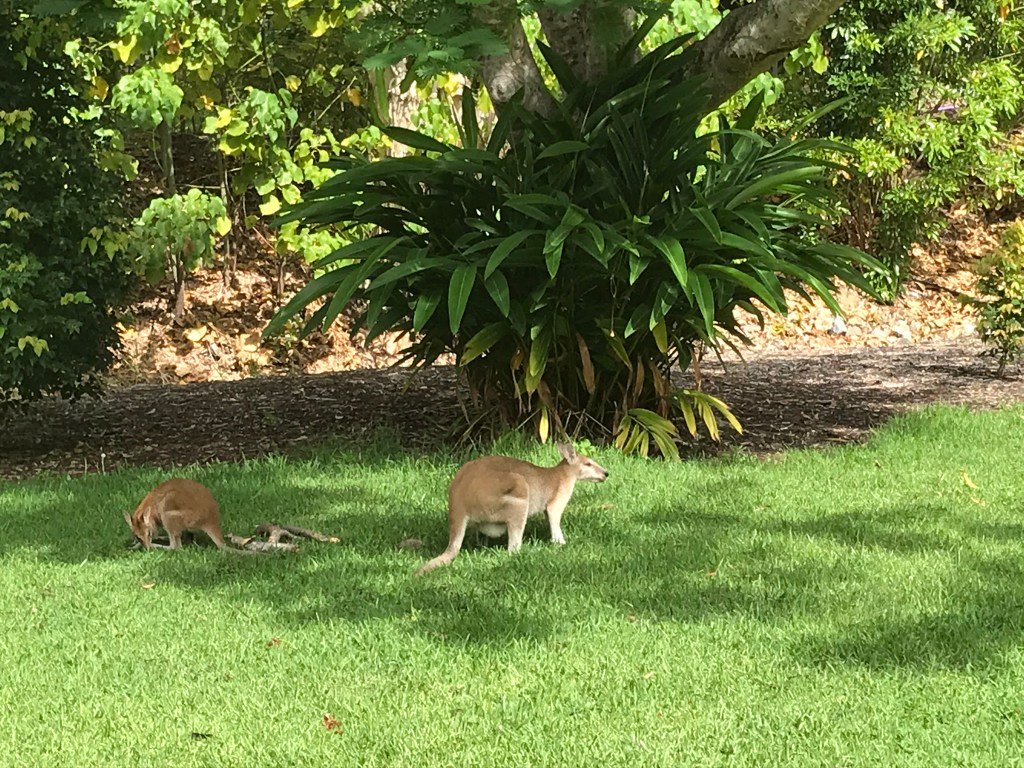
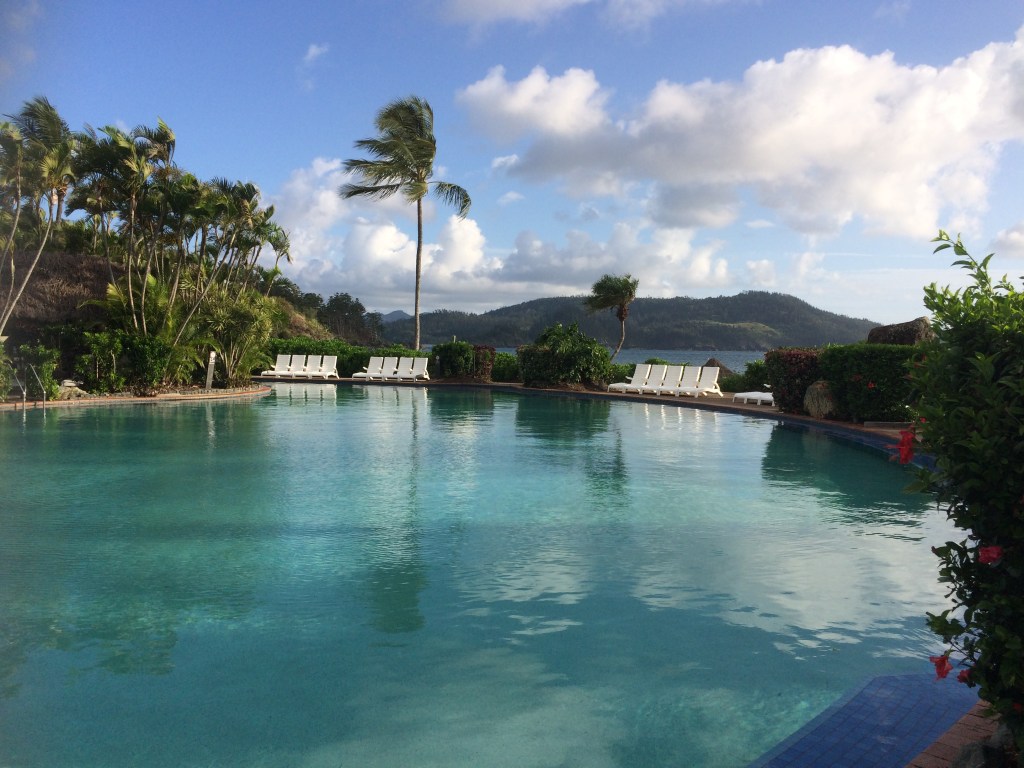
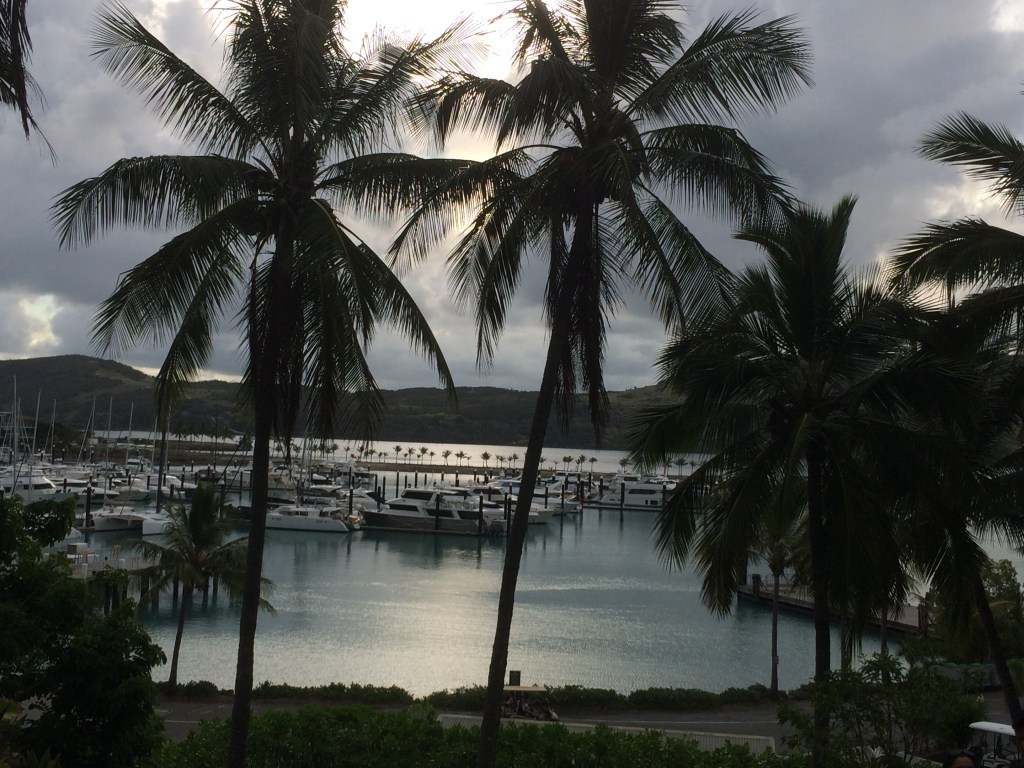
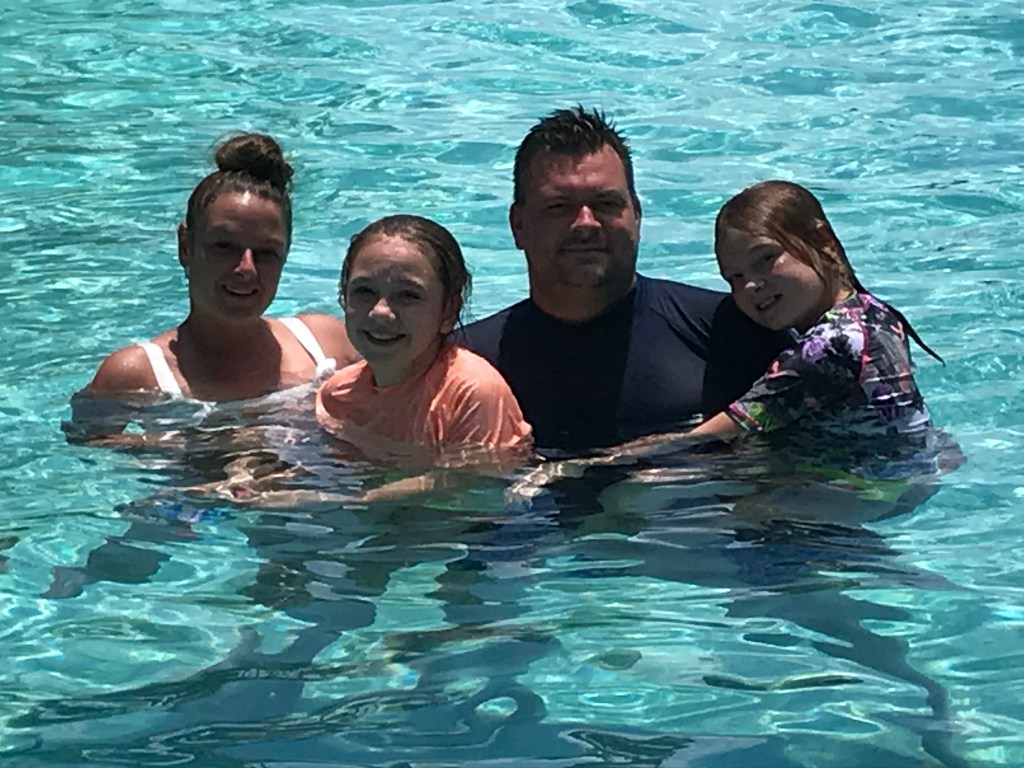
We have just returned from two days on Hamilton Island on the Great Barrier Reef, full of tropical experiences. The island is very small with no cars, just rather reckless motorised buggies that can be hired for a ridiculous rate. It is full of beautiful tropical flowers, coconut palms, blue lagoons, and wallabies grazing on the grass in front of our bungalows. While we were there, we had breakfast with koala bears; swam in numerous pools; and relaxed in hammocks.

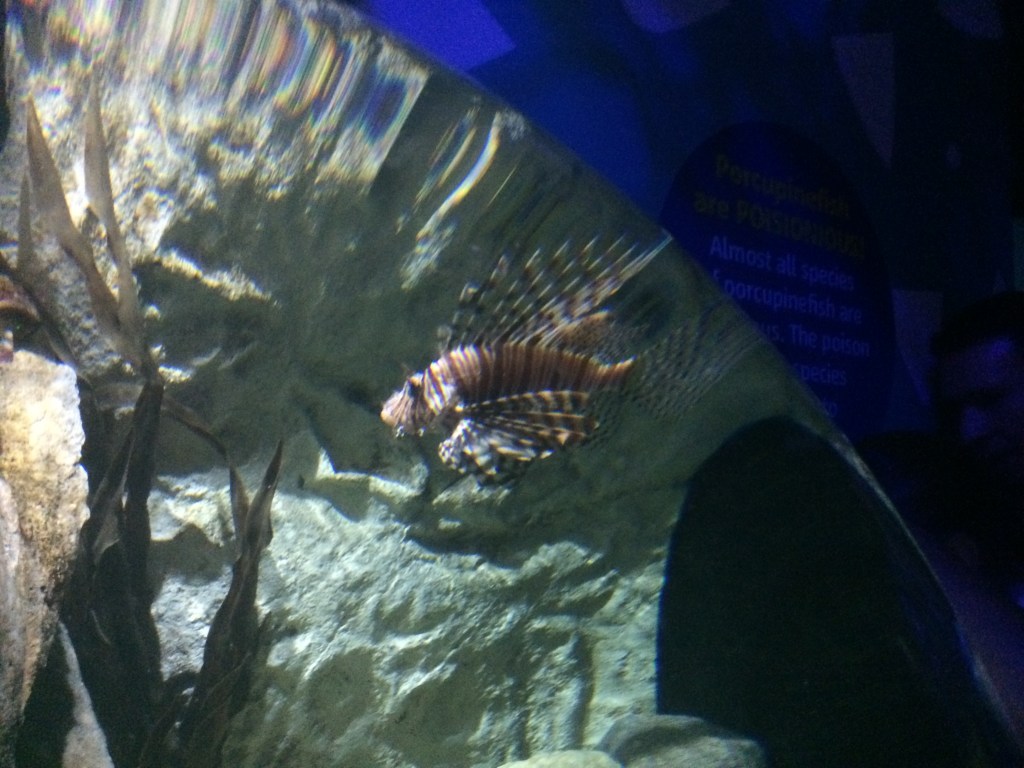
But, of course, we were there for the Great Barrier Reef. The main beach, Cats’ Eye Beach, gave direct access to the coral reef, though you had to swim out to the largest and best section. But just wandering along the shoreline in the shallows, you could see tiny fish darting everywhere, and larger fish, up to about eight inches, just swimming at your feet. Snorkelling just a little further out meant you could see even more fish, some with neon blue colouring, or pale yellow, and we even saw a lion fish.

However, John was the one who really experienced the best of the reef. I hate to say it, but the ladies were a little spooked by swimming over stingrays, and by swimming way out of our depth, so we stayed where we were more comfortable. I was snorkelling for the first time too and sometimes struggled with flipper management! John, on his more intrepid expedition, saw turtles, brightly-coloured corals, and far more larger fish – though my heart was in my mouth watching a lone dark head in the distance, accompanied by various flipper splashes and disappearances below the water!

8th January 2020

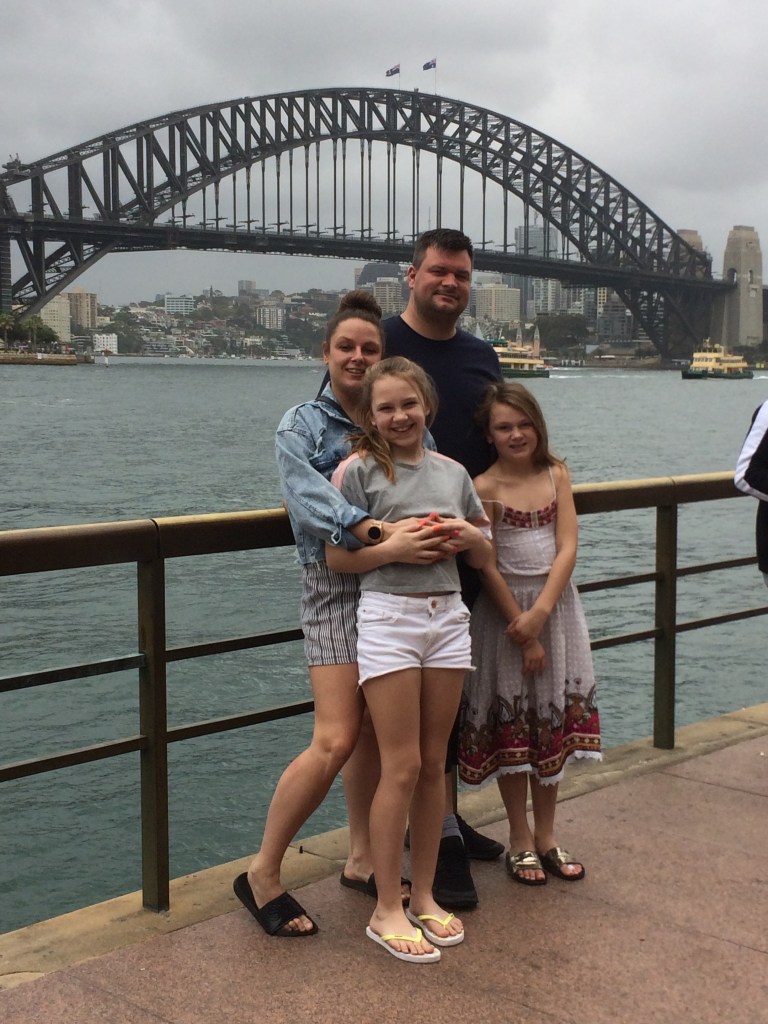
A New Year, and a new experience in Australia for Summer and Mia, John and Emily – arriving in Sydney on a ‘catastrophic fire-risk’ day, and a day when Penrith in Sydney was the hottest place on earth. Naturally, a trip to the beach on Day 1 was the best way to cool down, and the waves on Wollongong beach put everyone through their paces. The next day, however, there was a cool change (you see, I am learning the Australian weather lingo!), and John, Summer and Mia body-boarded while Emily, Grandad and I sat on the beach feeling a tad chilly – in a very English way!

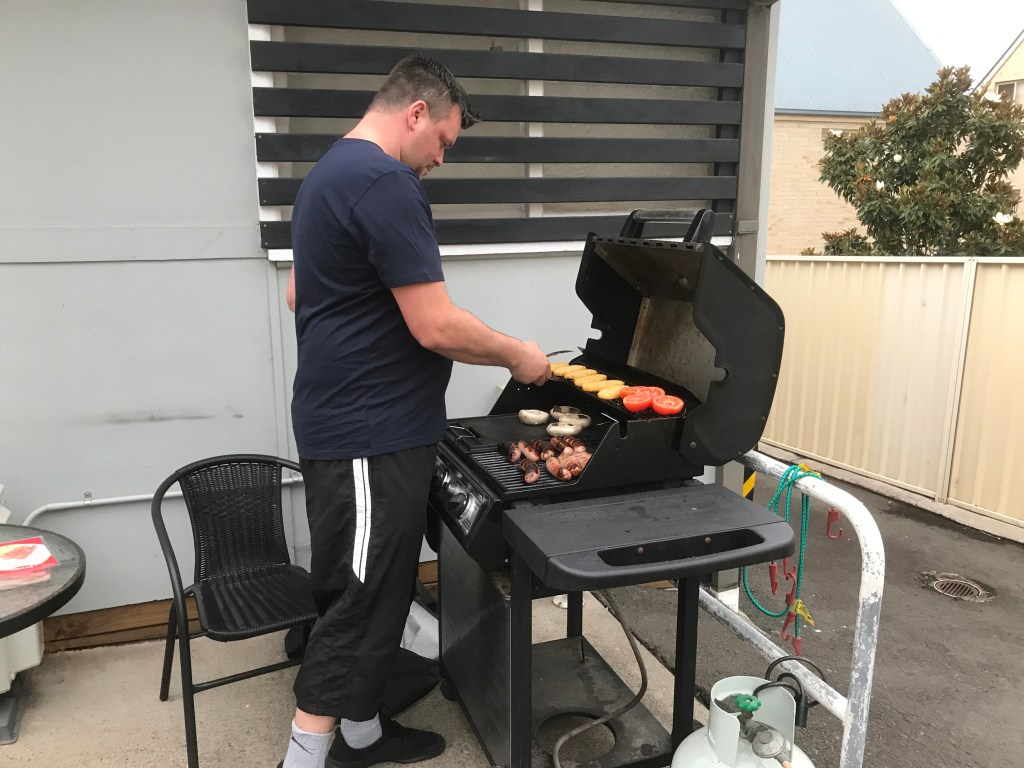
Since then, we have had fish and chips by the sea at Kiama; and visited Sydney for the day. I have also had my very first (very good) barbecued breakfast!

And some really good news: we had a jolly good period of rain the day before yesterday which has helped enormously with the bushfires. It is not enough to put them out, as they are so vast that this will require sustained rain, but they definitely stop the spread. How very un-English to be cheering the arrival of rain!

3rd January, 2020

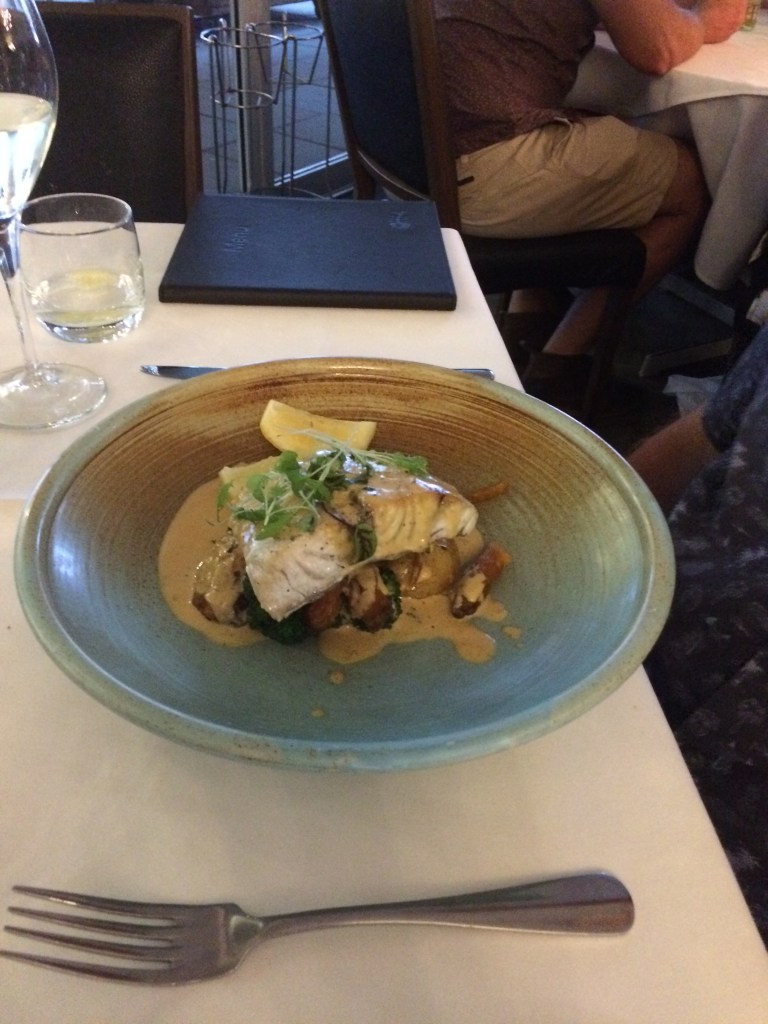
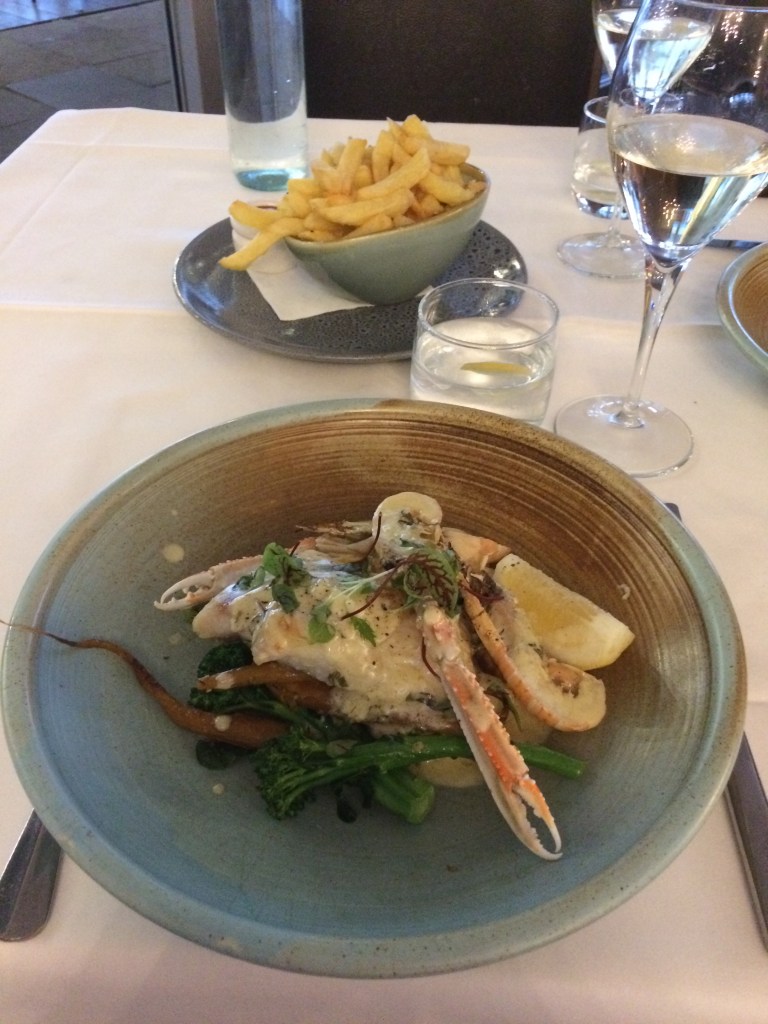
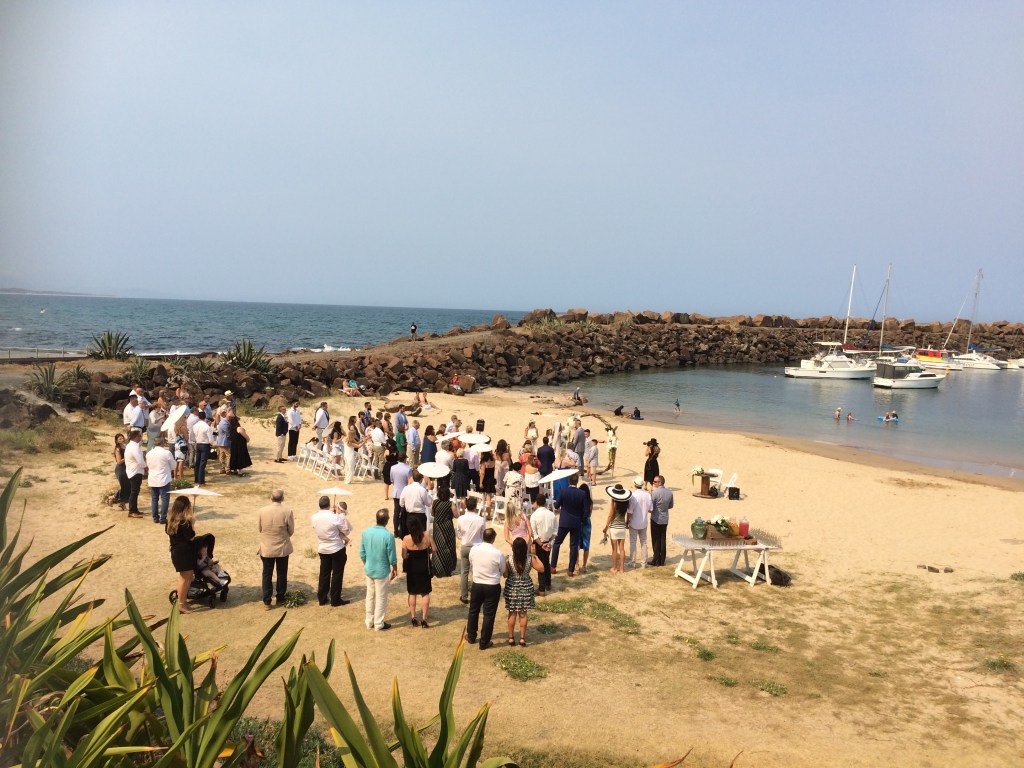
We have had a couple of lovely days of blue sky and temperatures in the mid 20s, and lots of swimming – a real contrast to the weather on New Year’s Eve. Last night, we celebrated my birthday early by having dinner at the Lagoon restaurant, overlooking the sea. It is famous for its seafood – you will have to see if you can work out what fish we had! And today, as we walked home, we watched a wedding on the beach in Wollongong which we visited several times with James and Daniel. Lots of happy faces!
But the bushfires continue and many of the places we visited earlier in November are now inaccessible. The big south coast fire is not that far away, and tomorrow is being descried as a potentially catastrophic day as temperatures soar into the 40s, and high winds will fan the flames. John, Emily, Mia and Summer arrive tomorrow – to a country that is burning.